
การรักษาความสะอาดในช่องปากหลังการผ่าตัดฟันคุดเป็นสิ่งสำคัญต่อการหายดี แต่เทคนิคที่ผิดอาจทำให้ก้อนเลือดที่ปกป้องหลุดออกได้ ก้อนเลือด และนำไปสู่ภาวะที่เจ็บปวดคือ เบ้าฟันแห้ง (Dry Socket)เคล็ดลับคือการแปรงฟันอย่างเบามือและตรงจุดรวมกับการบ้วนปากด้วยน้ำเกลือ และต้องมีความอดทนเป็นอย่างมาก คู่มือนี้จะแนะนำคุณทีละขั้นตอนว่าควรทำอะไรในแต่ละวัน ตั้งแต่ 24 ชั่วโมงแรกจนถึงการฟื้นตัวเต็มที่
เป็นเรื่องปกติที่คุณจะรู้สึกกังวลเกี่ยวกับการแปรงฟันหลังการถอนฟันคุด คุณกังวลว่าจะทำร้าย ตำแหน่งผ่าตัดที่บอบบาง หรือทำให้เกิดภาวะแทรกซ้อนเช่น เบ้าฟันแห้ง ((alveolar osteitis)) ข่าวดีก็คือ แผนการที่รอบคอบจะช่วยให้คุณรักษาความสะอาดช่องปากได้โดยไม่รบกวนกระบวนการหายดี
การศึกษาเชิงไปข้างหน้าในผู้ป่วย 50 ราย พบว่าผู้ที่แปรงฟันน้อยลงหลังการถอนฟันจะมีอาการปวดมากขึ้นในสัปดาห์แรก การดูแลช่องปากอย่างสม่ำเสมอและเบามือไม่เพียงแต่ปลอดภัย แต่ยังช่วยส่งเสริมการฟื้นตัวของคุณจริงๆ

เมื่อใดควรเริ่มแปรงฟัน
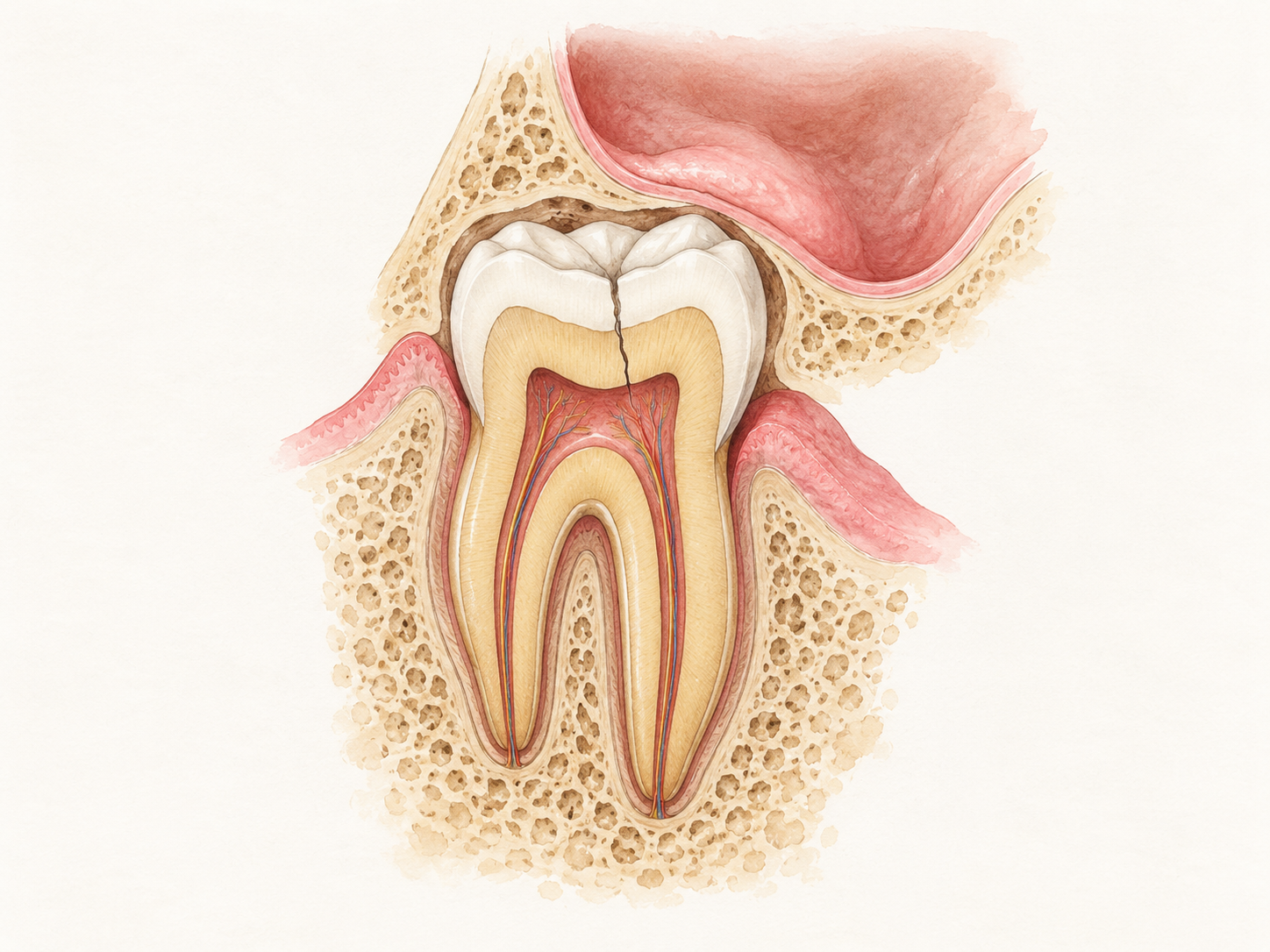
24 ชั่วโมงแรกเป็นช่วงเวลาที่สำคัญอย่างยิ่ง ในช่วงเวลานี้ ก้อนเลือดจะก่อตัวขึ้นใน เบ้าฟันที่ถอนออก เพื่อปกป้องกระดูกและเส้นประสาทที่อยู่ด้านล่าง ห้ามแปรงฟัน บ้วนปากแรงๆ หรือบ้วนน้ำลาย ในวันผ่าตัด การกระทำเหล่านี้อาจทำให้ก้อนเลือดหลุดและเผยให้เห็นกระดูก นำไปสู่เบ้าฟันแห้ง ซึ่งเป็นภาวะที่เจ็บปวดและทำให้การหายดีล่าช้า
ในวันที่ 2 คุณมักจะเริ่มแปรงฟันอย่างเบามือได้ แต่เฉพาะฟันที่อยู่ไกลจากตำแหน่งผ่าตัดเท่านั้น หลีกเลี่ยงฟันกรามที่อยู่ติดกับเบ้าฟันโดยสิ้นเชิง หากทันตแพทย์ของคุณให้คำแนะนำเรื่องเวลาโดยเฉพาะ (บางครั้งต้องรอ 48 ชั่วโมงสำหรับการถอนฟันที่ซับซ้อน) ให้ปฏิบัติตามคำแนะนำนั้น การรอนานเกินไปก็ไม่เป็นประโยชน์เช่นกัน เพราะการสะสมของคราบจุลินทรีย์อาจเพิ่มการอักเสบและความรู้สึกไม่สบายในช่วง ระยะเวลาการหายดี.
อุปกรณ์ที่คุณจำเป็นต้องใช้

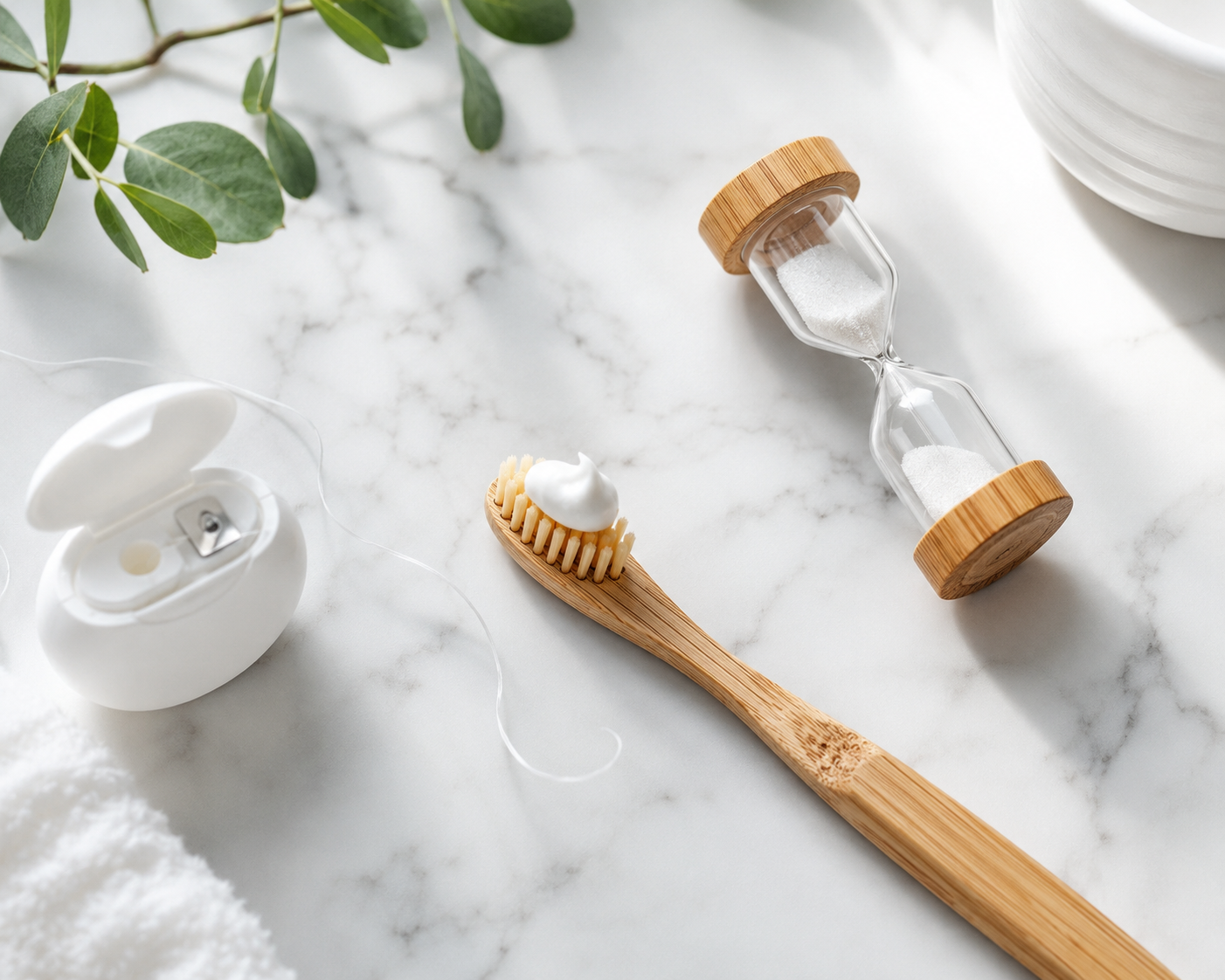
ชุดอุปกรณ์ของคุณสำหรับสัปดาห์แรกควรเรียบง่ายและไม่ระคายเคือง:
- แปรงสีฟันขนนุ่มพิเศษ — โดยเฉพาะหัวแปรงขนาดเล็ก การทดลองทางคลินิกแบบสุ่มที่มีกลุ่มควบคุม ในผู้ป่วยหลังการผ่าตัดฟันคุดแสดงให้เห็นว่าแปรงสีฟันที่มีขนแปรงเรียวเล็กทำให้เกิดการถลอกบนเหงือกที่กำลังหายดีน้อยกว่าอย่างมีนัยสำคัญเมื่อเทียบกับแปรงสีฟันขนแปรงกลมมาตรฐาน สิ่งนี้ตอกย้ำว่าทำไมแปรงสีฟันขนนุ่มพิเศษจึงเป็นเพื่อนที่ดีที่สุดของคุณในตอนนี้
- น้ำเกลืออุ่นๆ (เกลือ ½ ช้อนชาในน้ำอุ่น 1 ถ้วย) ซึ่งเป็นเพียงน้ำยาบ้วนปากที่คุณต้องใช้ในช่วงสองสามวันแรก
- น้ำยาบ้วนปากไร้แอลกอฮอล์ — หากศัลยแพทย์สั่งจ่ายน้ำยาบ้วนปากคลอร์เฮกซิดีน ให้ใช้ตามคำแนะนำอย่างเคร่งครัด การทบทวนวรรณกรรมของ Cochrane แสดงให้เห็นว่า การใช้น้ำยาบ้วนปากคลอร์เฮกซิดีน (0.12% หรือ 0.2%) ก่อนและหลังการถอนฟันสามารถป้องกันภาวะเบ้าฟันแห้งได้ประมาณ 42%.
หลีกเลี่ยงการใช้ แปรงสีฟันไฟฟ้าในช่วงแรกของการสมานแผล — การสั่นสะเทือนอาจระคายเคืองบาดแผลได้ นอกจากนี้ควรหลีกเลี่ยงน้ำยาบ้วนปากที่มีแอลกอฮอล์ ซึ่งจะทำให้แสบและอาจรบกวนการก่อตัวของเลือดที่แข็งตัวเป็นลิ่ม สารเคมีที่รุนแรง เช่น ไฮโดรเจนเปอร์ออกไซด์ ไม่จำเป็น เว้นแต่จะรวมอยู่ในผลิตภัณฑ์ที่แพทย์สั่งจ่ายเท่านั้น
เทคนิคการแปรงฟัน

ความแม่นยำสำคัญกว่าความแรงในตอนนี้ ทำตามขั้นตอนเหล่านี้:
- ใช้กระจก และแสงสว่างที่เพียงพอ เพื่อให้คุณเห็นได้อย่างชัดเจนว่าแปรงไปโดนจุดใด
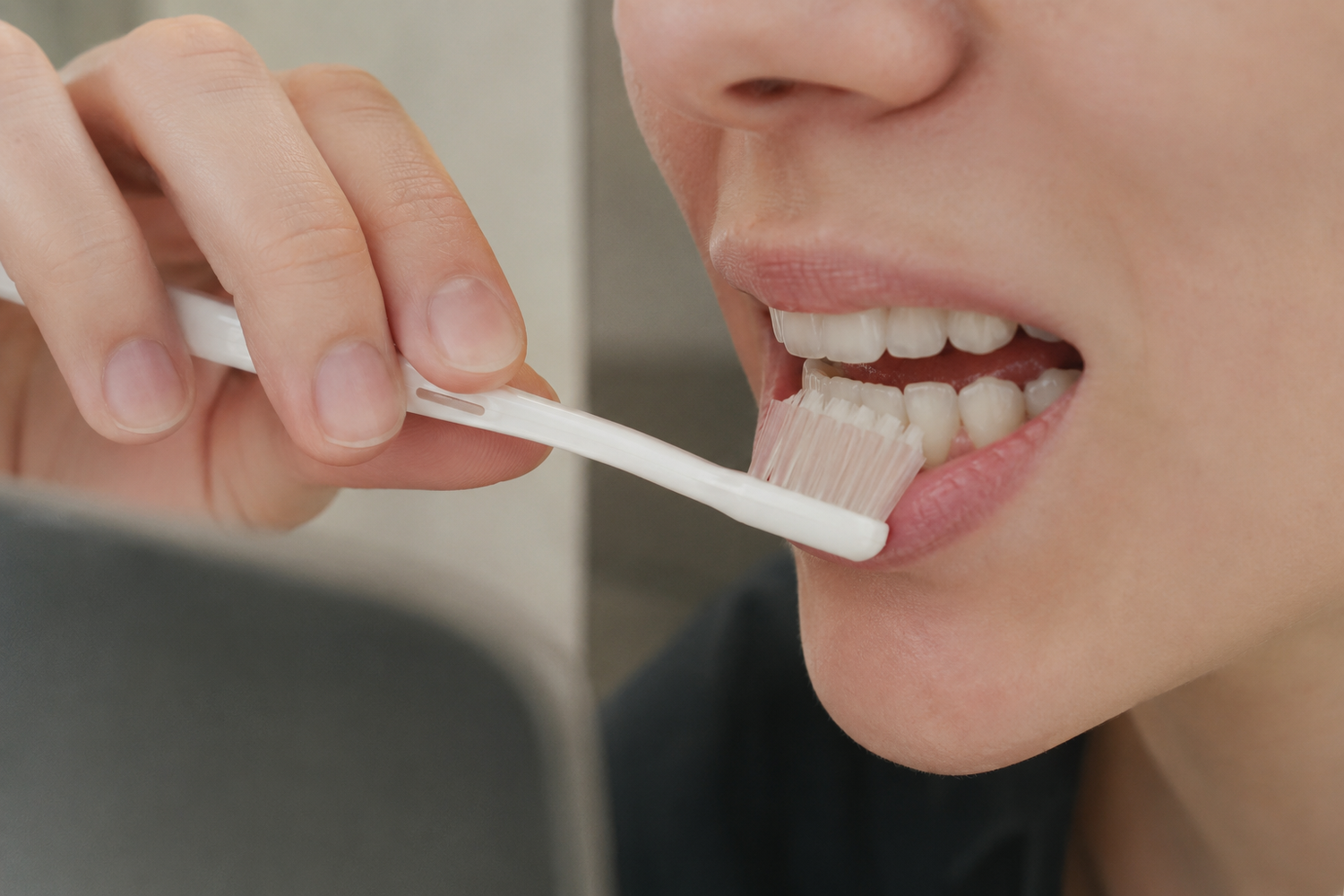
- เริ่มจากฟันหน้าของคุณ ค่อยๆ แปรงไปยังฟันกรามน้อย หยุดก่อนถึงบริเวณที่ถอนฟันอย่างน้อยหนึ่งซี่
- ใช้ การเคลื่อนไหวเป็นวงกลมเล็กๆ ด้วยแรงกดเบาที่สุดเท่าที่จะนึกได้ — คิดเสมือนว่ากำลังขัดเครื่องลายครามที่เปราะบาง ไม่ใช่การถู
- รักษาปากให้ผ่อนคลายและอ้าเพียงพอที่จะเข้าถึงฟัน อย่ายืดริมฝีปากซึ่งอาจดึงรั้งรอยเย็บได้
- ปล่อยให้ฟองยาสีฟันและน้ำลายไหลผ่านเบ้าฟันผ่าตัดตามธรรมชาติ คุณไม่จำเป็นต้องทำความสะอาดเบ้าฟันโดยตรง — การไหลแบบ passive นี้จะช่วยขจัดเศษอาหารได้เอง
หากคุณมีปัญหาในการอ้าปาก (trismus) เนื่องจากอาการบวม ให้เอียงแปรงหรือเปลี่ยนเป็นแปรงขนาดเด็กเพื่อความคล่องตัวที่ดีขึ้น เป้าหมายคือการทำความสะอาดบริเวณที่เข้าถึงได้โดยไม่เข้าใกล้มุมแผล
เมื่อการสมานแผลในระยะแรกดำเนินไปและเบ้าฟันเริ่มปิด การใช้ แปรงสีฟันไฟฟ้า ที่มีการสั่นสะเทือนแบบโซนิคอย่างนุ่มนวลสามารถช่วยให้การทำความสะอาดบริเวณใกล้แผลสะดวกขึ้น โดยใช้แรงกดมือเพียงเล็กน้อย การเคลื่อนไหวที่รวดเร็วและควบคุมได้ของ แปรงสีฟันไฟฟ้าแบบโซนิค ช่วยขจัดคราบพลัคพร้อมทั้งหลีกเลี่ยงการกดลงบนเนื้อเยื่อที่บอบบาง ซึ่งมีประโยชน์อย่างยิ่งเมื่อขากรรไกรของคุณยังค่อนข้างตึง
การบ้วนปากอย่างปลอดภัย

หลังการแปรงฟัน (หรือหลังมื้ออาหาร) คุณจะต้องการบ้วนล้างเศษอาหารที่เหลือออก แต่ห้ามใช้แรงเด็ดขาด นี่คือวิธีที่ปลอดภัย:
- จิบ น้ำเกลืออุ่นๆ — ไม่ร้อนจัด ไม่เย็นจัด
- ค่อยๆ เอียงศีรษะของคุณจากด้านหนึ่งไปอีกด้านหนึ่ง,ปล่อยให้น้ำยาไหลเวียนไปทั่วช่องปากของคุณ
- ปล่อยให้น้ำไหลออก ลงในอ่างล้างจาน ห้ามบ้วนปาก เพราะการบ้วนจะสร้างแรงดูดที่อาจดึงลิ่มเลือดออกมาได้
- ทำซ้ำตามความจำเป็นหลังอาหารทุกมื้อ โดยเฉพาะอย่างยิ่งหากคุณรู้สึกว่ามีเศษอาหารอยู่ใกล้เบ้าฟัน
หากศัลยแพทย์ของคุณจัดเตรียม กระบอกฉีดน้ำล้างแผลไว้ให้ พวกเขาจะแจ้งให้คุณทราบว่าเมื่อใดควรเริ่มใช้ โดยปกติจะอยู่ประมาณวันที่ 5 ถึง 7 เครื่องมือนี้จะส่งน้ำเกลืออุ่นๆ อย่างเบามือเข้าไปในเบ้าฟันที่ถอนออกด้านล่างโดยตรงเพื่อขับเศษอาหารที่ติดอยู่ออก ควรใช้แรงดันที่นุ่มนวลที่สุดเสมอ
ข้อผิดพลาดทั่วไป
แม้แต่ผู้ป่วยที่มีความตั้งใจดีก็อาจทำลายกระบวนการหายของแผลได้โดยไม่รู้ตัว ความเสี่ยงที่ใหญ่ที่สุดคือ:
- การใช้หลอดดูด — การดูดเป็นตัวเชิญชวนโดยตรงให้เกิดเบ้าฟันแห้ง หลีกเลี่ยงหลอดดูดทั้งหมดเป็นเวลาอย่างน้อยหนึ่งสัปดาห์
- การบ้วนปากอย่างแรง — เช่นเดียวกับการใช้หลอดดูด มันสร้างแรงดันลบ ปล่อยให้ทุกอย่างไหลออกมา
- การแปรงฟันบริเวณที่ถอนโดยตรง — ไม่ว่าคุณต้องการจะสะอาดมากแค่ไหน ก็ต้องไม่แตะต้องเบ้าฟันด้วยแปรงเป็นเวลาหลายวัน
- การบ้วนปากด้วยน้ำยาบ้วนปากที่มีแอลกอฮอล์ — ความแสบร้อนบ่งบอกถึงการระคายเคืองทางเคมีที่อาจทำให้แผลปิดช้าลงและละลายลิ่มเลือดที่เปราะบางได้
ข้อผิดพลาดแต่ละอย่างเหล่านี้รบกวนลิ่มเลือดที่ปกป้อง ทำให้กระดูกถูกเปิดเผย มีอาการปวดตุบๆ อย่างรุนแรง และการหายของแผลล่าช้าซึ่งอาจเพิ่มเวลาการฟื้นตัวของคุณได้หลายวัน
สัญญาณของปัญหา

การรู้ว่าอะไรปกติและอะไรไม่ปกติจะทำให้คุณควบคุมสถานการณ์ได้ โทรหาศัลยแพทย์หรือทันตแพทย์ของคุณทันทีหากคุณสังเกตเห็นสัญญาณเตือนเหล่านี้:
- อาการปวดรุนแรงและแย่ลง ที่เริ่มขึ้น 2–4 วันหลังการผ่าตัดและไม่ทุเลาลงด้วยยาที่จ่ายให้ — นี่คือลักษณะเด่นของเบ้าฟันแห้ง
- มี รสชาติหรือกลิ่นผิดปกติที่คงอยู่ ซึ่งไม่หายไปหลังจากการบ้วนปากเบาๆ ซึ่งอาจบ่งบอกถึงเศษอาหารที่ติดอยู่หรือการติดเชื้อ
- การมองเห็นลิ่มเลือดหายไป — คุณอาจเห็นเบ้าฟันที่มีลักษณะว่างเปล่า สีขาวหรือสีเทา แทนที่จะเป็นลิ่มเลือดสีแดงเข้ม
- หนอง มีไข้ หรือบวมเพิ่มขึ้น หลังจากวันที่ 3 แทนที่จะลดลง
สิ่งเหล่านี้ไม่ได้ตั้งใจให้คุณตกใจ — แต่เป็นเหมือนตาข่ายนิรภัยของคุณ การแทรกแซงตั้งแต่เนิ่นๆ จะช่วยป้องกันไม่ให้ปัญหาน้อยๆ กลายเป็นปัญหาใหญ่ได้
เคล็ดลับสุดท้าย

จำไว้ว่า: ในสัปดาห์แรก การดูแลอย่างอ่อนโยนสำคัญกว่าการทำความสะอาดอย่างหนักหน่วงเสมอ ปากของคุณไม่จำเป็นต้องสะอาดหมดจด — แค่ต้องได้รับการรักษาให้หาย
ไซริงค์ ล้างแผล (เมื่อศัลยแพทย์ของคุณอนุญาต) และแปรงสีฟันขนนุ่มจะช่วยจัดการเรื่องความสะอาดได้เป็นอย่างดี เมื่อเนื้อเยื่ออ่อนปิดตัวลงและอาการเจ็บลดลง ค่อยๆ กลับไปใช้ชีวิตประจำวันตามปกติของคุณ
ความอดทนเล็กน้อยในตอนนี้จะช่วยปกป้องลิ่มเลือดที่บอบบาง และช่วยให้คุณกลับไปแปรงฟันได้เต็มที่ — และทานอาหารได้โดยไม่เจ็บ — เร็วกว่าการเร่งรีบมาก คุณทำได้แน่นอน


Leave a comment
เว็บไซต์นี้ได้รับการคุ้มครองโดย hCaptcha และมีการนำนโยบายความเป็นส่วนตัวของ hCaptcha และข้อกำหนดในการใช้บริการมาใช้