
คุณควรแปรงฟันบ่อยแค่ไหน?
มาตรฐานทองคำที่ backed by งานวิจัยหลายทศวรรษและหน่วยงานทันตกรรมหลักทุกแห่ง: แปรงฟันวันละสองครั้ง ครั้งละสองนาที มันง่ายขนาดนั้น—และทรงพลังขนาดนั้น
คุณเคยได้ยินกฎนี้มาตั้งแต่เด็ก แต่คำถามที่แท้จริงคือ ทำไม การแปรงวันละสองครั้งจำเป็นจริงหรือ หรือวันละครั้งพอถ้าคุณแปรงอย่างดี? คุณแปรงมากเกินไปได้ไหม? และเกิดอะไรขึ้นในช่วงสองนาทีนั้นที่ทำให้มันไม่สามารถต่อรองได้? คำตอบนั้น rooted ในวิธีที่คราบพลัค ฟลูออไรด์ และน้ำลายของคุณมีปฏิสัมพันธ์กันตลอดทั้งวัน—และการรู้สิ่งเหล่านี้จะทำให้กิจวัตรประจำวันของคุณรู้สึกเหมือนเป็นงานน้อยลงและเหมือนเป็นการลงทุนที่ชาญฉลาดในสุขภาพระยะยาวของคุณ

ความถี่ที่แนะนำ: ทำไมวันละสองครั้งจึงชนะ
ถามทันตแพทย์คนไหนก็จะพูดเหมือนกัน: วันละสองครั้ง คือจุดที่พอดี ไม่ใช่ตัวเลขที่กำหนดขึ้นเอง สมาคมทันตกรรมอเมริกัน (ADA) และ ฉันทามติระดับโลกของผู้เชี่ยวชาญด้านทันตกรรม ต่างสนับสนุนการแปรงฟันวันละสองครั้ง因为它ขัดขวาง ไบโอฟิล์มคราบพลัค ในช่วงเวลาสำคัญสองช่วง
คราบพลัคคือฟิล์มเหนียวของแบคทีเรียที่ตั้งรกรากบนฟันของคุณตลอดเวลา ถ้าปล่อยไว้ไม่ถูกรบกวน มันจะเริ่มแข็งตัวเป็น หินปูน ภายใน 24 ถึง 48 ชั่วโมง—ซึ่งถึงจุดนั้นมีเพียงการทำความสะอาดโดยมืออาชีพเท่านั้นที่สามารถขจัดออกได้ การแปรงฟันตอนเช้าช่วยกวาดแบคทีเรียที่เพิ่มจำนวนขึ้นในขณะที่คุณนอนหลับ (และน้ำลายไหลช้าลง) การแปรงฟันตอนกลางคืนช่วยขจัดเศษอาหารและแบคทีเรียที่สร้างกรดที่สะสมระหว่างวัน เพื่อไม่ให้พวกมันกินเคลือบฟันของคุณในขณะที่น้ำลายที่ป้องกันของคุณลดลงอีกครั้งระหว่างการนอนหลับ
การข้ามการแปรงหนึ่งครั้งมีผลกระทบจริง การทบทวนอย่างเป็นระบบขนาดใหญ่พบว่าคนที่แปรงฟันน้อยกว่าวันละสองครั้งมี ความเสี่ยงสูงขึ้น 45% ในการเกิดฟันผุใหม่ เมื่อเทียบกับผู้ที่แปรงวันละสองครั้ง สำหรับเด็ก ผลยิ่งแรงขึ้น: การแปรงที่ไม่บ่อยเพิ่มความเสี่ยงของฟันผุในฟันน้ำนมถึง 75% วันละครั้งดีกว่าไม่แปรงเลย แต่ก็ทำให้มีช่องว่างที่คราบพลัคและกรดสามารถก่อความเสียหายได้ และไม่ การแปรงวันละสามครั้งโดยทั่วไปไม่เป็นอันตราย—หากคุณใช้แรงเบาๆ และแปรงขนนุ่ม—แต่สำหรับคนส่วนใหญ่ มันไม่จำเป็นและอาจทำให้เคลือบฟันสึกได้หากคุณแปรงแรงๆ
ระยะเวลาที่เหมาะสม: สองนาที ทุกครั้ง
ความถี่อย่างเดียวไม่พอ คุณต้องใช้เวลาด้วย หลักฐานแทบไม่มีช่องว่างให้สงสัย: การวิเคราะห์อภิมานของการเปรียบเทียบโดยตรง แสดงให้เห็นว่าการแปรงสองนาทีขจัดคราบพลัคได้มากกว่าการแปรงหนึ่งนาทีอย่างมีนัยสำคัญ ความแตกต่างถูกจัดอันดับว่าเป็นผลกระทบ "ปานกลาง"—หมายความว่าไม่ใช่กำไรที่เล็กน้อย

เพื่อให้สองนาทีนั้นรู้สึก manageable ให้แบ่งปากของคุณออกเป็นสี่ส่วน (บนขวา บนซ้าย ล่างขวา ล่างซ้าย) และใช้เวลา 30 วินาทีในแต่ละ quadrant เทคนิคทางจิตง่ายๆ นี้ช่วยให้แน่ใจว่าคุณไม่ละเลยพื้นที่ใด โดยเฉลี่ยคนส่วนใหญ่แปรงฟันเพียง 45 ถึง 70 วินาที ทิ้งบางโซนแทบไม่ได้แตะต้อง
คุณแปรงนานกว่านั้นได้ไหม? เกินกว่าสองถึงสามนาที เทคนิคสำคัญกว่าช่วงเวลามาก การใช้เวลาพิเศษอีกหนึ่งนาทีจะไม่เป็นไรถ้าคุณอ่อนโยน แต่คุณไม่ควรตั้งเป้าไปที่การแปรงนานๆ เป้าหมายคือการแปรงอย่างทั่วถึงและเป็นระบบ—ไม่ใช่การจับเวลา หากการยึดติดกับสองนาทีเต็มรู้สึกเหมือนเป็นการเดา แปรงสีฟันไฟฟ้า ที่มีตัวจับเวลาในตัวสามารถทำให้ง่ายขึ้นได้
ช่วงเวลาที่ดีที่สุดในการแปรงฟัน: เรื่องของช่วงเวลา ไม่ใช่แค่การนับ
การแปรงวันละสองครั้งเป็นสิ่งสำคัญ แต่ เวลา ที่คุณแปรงเปลี่ยนประสิทธิภาพในการปกป้องฟันของคุณ

- ตอนเช้า: ตามอุดมคติแล้ว ควรแปรงก่อนอาหารเช้าในตอนกลางคืน แบคทีเรียจะเพิ่มจำนวนและสร้างฟิล์มบางๆ ที่กินน้ำตาลในมื้อแรกของคุณ การแปรงก่อนจะกำจัดแบคทีเรียนั้นและเคลือบฟันด้วยเกราะฟลูออไรด์ก่อนรับประทานอาหาร หากคุณแปรงหลังอาหารเช้า ให้รออย่างน้อย 30 นาทีหลังรับประทานอาหารที่มีกรด (เช่น น้ำส้มหรือกาแฟ) เพื่อหลีกเลี่ยงการขัดเคลือบฟันที่อ่อนตัวลง
- ตอนกลางคืน: ช่วงนี้ไม่สามารถต่อรองได้ การแปรงฟันก่อนนอนจะช่วยขจัดเศษอาหารในแต่ละวันและส่งมอบ ฟลูออไรด์ ที่อยู่บนฟันของคุณตลอดทั้งคืน ซึ่งเป็นช่วงที่น้ำลายไหลน้อยที่สุดและแบคทีเรียจะมีเวลาหลายชั่วโมงในการโจมตี อย่าบ้วนปาก รับประทาน หรือดื่มหลังการแปรงฟันตอนกลางคืน—ให้บ้วนยาสีฟันส่วนเกินออกแล้วปล่อยให้ฟลูออไรด์ทำงาน
อีกหนึ่งความละเอียดอ่อนของช่วงเวลา: หากคุณรับประทานอาหารหรือเครื่องดื่มที่มีกรด (น้ำอัดลม ผลไม้รสเปรี้ยว ไวน์) หรืออาเจียน ควรรออย่างน้อย 30 นาที ก่อนแปรงฟัน เคลือบฟันของคุณจะอ่อนตัวลงชั่วคราว และการแปรงทันทีอาจทำให้สึกกร่อนได้
เทคนิคที่เหมาะสม: อ่อนโยน เป็นวงกลม และ focused
แม้ความถี่และระยะเวลาที่สมบูรณ์แบบก็ไม่สามารถช่วยคุณได้หากเทคนิคของคุณก้าวร้าวเกินไป ข้อผิดพลาดที่พบบ่อยที่สุด? การถูไปมาเหมือนกำลังทำความสะอาดร่องยาแนว ซึ่งจะทำให้ เคลือบฟัน สึกกร่อนและทำให้เหงือกร่น เผยให้เห็นรากฟันที่บอบบาง

นี่คือวิธีที่ทันตแพทย์สอน:
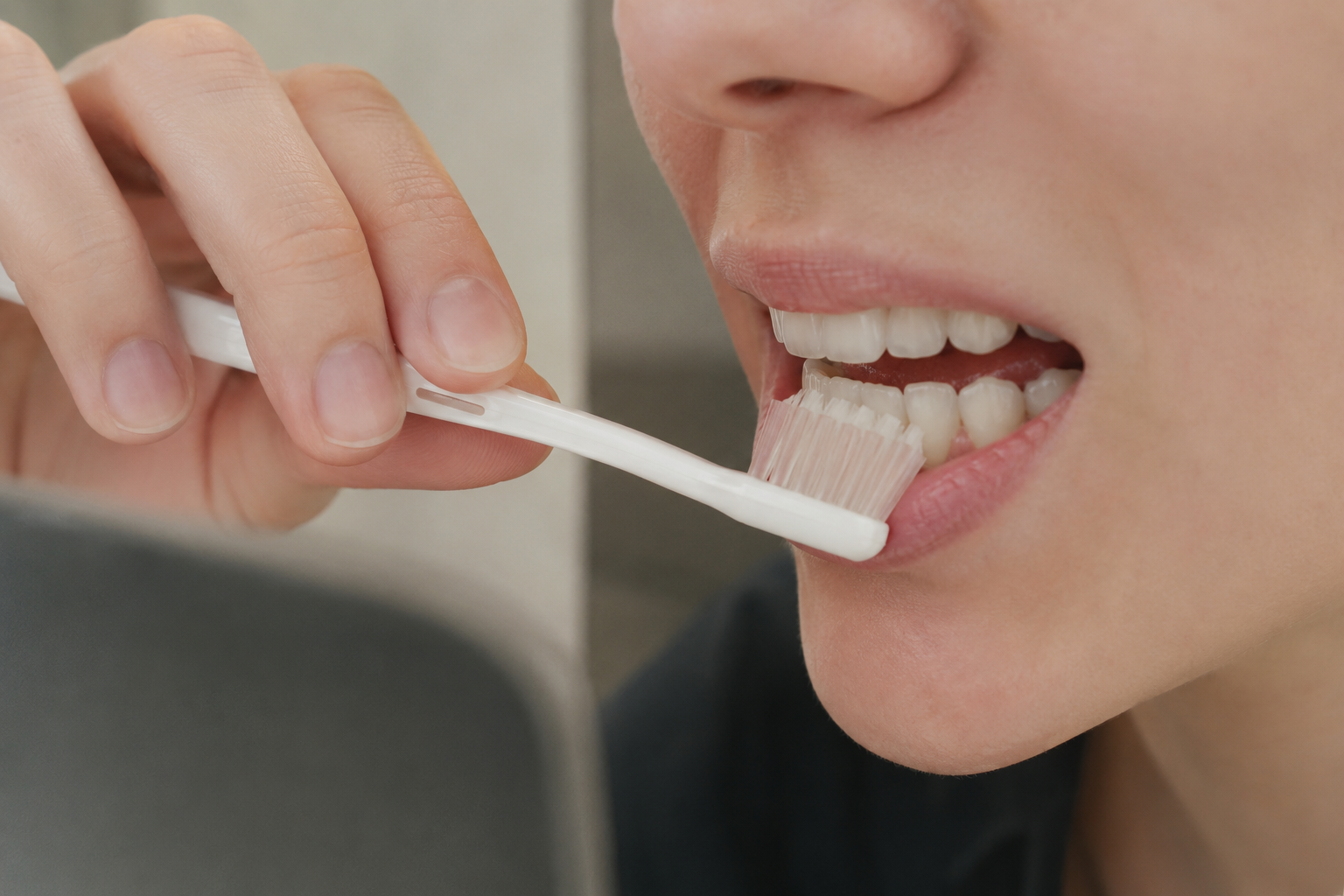
- เอียงแปรง 45 องศา เข้าหาแนวเหงือก
- ใช้ การเคลื่อนไหวที่อ่อนโยน เป็นวงกลม (หรือสั่นเล็กน้อย)—แรงกดไม่เกินกว่าที่คุณใช้ถือดินสอ
- ครอบคลุมพื้นผิวฟันทั้งสามด้าน: ด้านแก้ม ด้านลิ้น และด้านบดเคี้ยว
- ปิดท้ายด้วยการแปรงลิ้นอย่างอ่อนโยนเพื่อกำจัดแบคทีเรียและทำให้ลมหายใจสดชื่น
- เลือกใช้ แปรงสีฟันขนนุ่มเสมอ ขนแปรงปานกลางหรือแข็งอาจทำให้เกิด การสึกกร่อน และ เหงือกร่น เมื่อเวลาผ่านไป
แปรงสีฟันไฟฟ้าแบบโซนิค ใช้การสั่นสะเทือนความถี่สูงอย่างอ่อนโยนเพื่อทำความสะอาดอย่างมีประสิทธิภาพ ดังนั้นคุณจึงมีแนวโน้มที่จะแปรงแรงๆ น้อยลง ซึ่งช่วยลดความเสี่ยงต่อการสึกกร่อนของเคลือบฟันหรือการระคายเคืองเหงือก
ความสมดุล: การแปรงมากเกินไปเทียบกับการแปรงน้อยเกินไป
| การแปรงน้อยเกินไป (แปรงน้อยเกินไปหรือสั้นเกินไป) | การแปรงมากเกินไป (แปรงบ่อยเกินไปหรือแรงเกินไป) |
|---|---|
| คราบพลัคเกาะอยู่นานพอที่จะทำให้เกิด เหงือกอักเสบ (เหงือกแดงและมีเลือดออก) | การแปรงแรงๆ หรือแปรงบ่อยเกินไปทำให้เคลือบฟันสึกกร่อนและทำให้เกิด เหงือกร่น |
| ความเสี่ยงที่เพิ่มขึ้นของ ฟันผุ และกลิ่นปาก | นำไปสู่ อาการเสียวฟันจากเนื้อฟัน (เจ็บเมื่อเจอของร้อน/เย็น) |
| หินปูนสะสมจำเป็นต้องขูดหินปูนโดยทันตแพทย์ | เมื่อเวลาผ่านไปอาจเกิดรอยบากที่ขอบเหงือก (รอยโรคจากการสึกกร่อน) |
| วิธีแก้ไข: แปรงฟันวันละสองครั้งครั้งละสองนาทีด้วยยาสีฟันที่มีฟลูออไรด์ | วิธีแก้ไข: ยึดมั่นในวันละ 2 ครั้ง ใช้แปรงขนนุ่มเท่านั้น และถือแปรงเหมือนถือพู่กัน ไม่ใช่แปรงขัด |
กฎ "2x2"—วันละสองครั้ง ครั้งละสองนาที ด้วยแปรงขนนุ่ม—ช่วยให้คุณอยู่ในโซนปลอดภัยตามธรรมชาติ คุณได้รับการปกป้องโดยไม่เกิดความเสียหาย
กิจวัตรประจำวันง่ายๆ ที่ใช้ได้ผลตลอดชีวิต
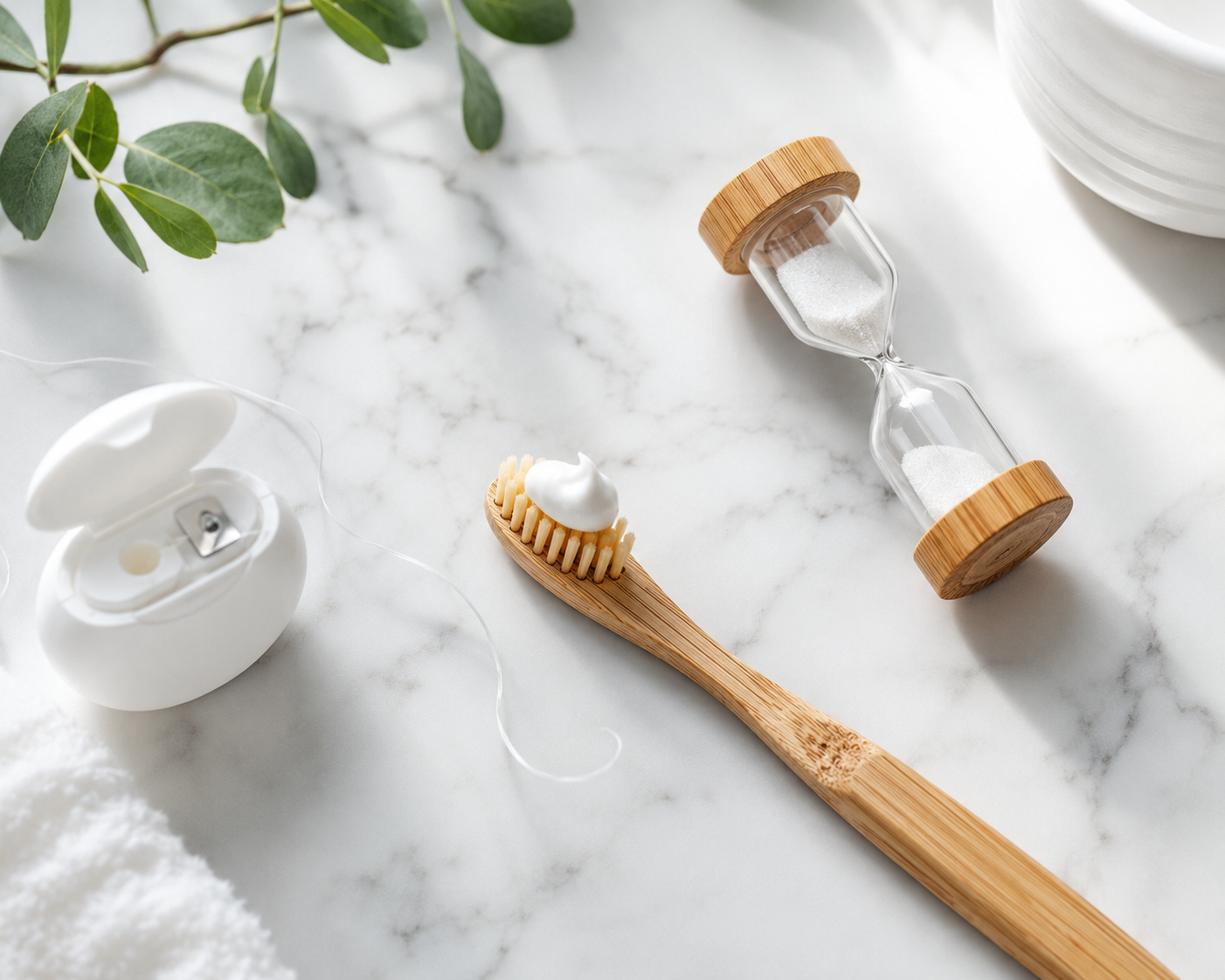
[ใส่รูปภาพที่นี่: ภาพถ่ายมุมบนของพื้นผิวห้องน้ำหินอ่อนสีขาว แปรงสีฟันขนนุ่มไม้ไผ่ที่มียาสีฟันผสมฟลูออไรด์ขนาดเท่าเมล็ดถั่ววางไว้อย่างเป็นระเบียบ นาฬิกาทรายขนาดเล็กที่มีทรายสีขาว ไหมขัดฟันหนึ่งหลอด แสงธรรมชาติจากหน้าต่างแบบกระจาย สไตล์ผลิตภัณฑ์มินิมอลและสดใส ภาพนิ่งการดูแลฟันที่สมจริง]
ความสม่ำเสมอดีกว่าความสมบูรณ์แบบ สร้างขั้นตอนเหล่านี้ให้เป็นส่วนหนึ่งของเช้าและเย็นของคุณ แล้วคุณจะครอบคลุมทุกสิ่งที่สำคัญ:
- เลือกแปรงสีฟันขนนุ่ม (แบบมือหรือไฟฟ้า อันไหนก็ได้ที่คุณจะใช้อย่างสม่ำเสมอ)
- บีบยาสีฟันผสมฟลูออไรด์ขนาดเท่าเมล็ดถั่ว ลงบนแปรง
- เอียงแปรงทำมุม 45 องศา เข้าหาแนวเหงือก
- เริ่มจับเวลา (แปรงไฟฟ้าของคุณอาจมีตัวจับเวลา หรือใช้โทรศัพท์—ฟังเพลงสองเพลงจากวิทยุก็ได้) แล้วแปรง อย่างเป็นระบบ: พื้นผิวด้านนอก พื้นผิวด้านใน พื้นผิวบดเคี้ยว ทั้งสี่ส่วน ซีกละ 30 วินาที
- ใช้การวนเบาๆ และปล่อยให้ขนแปรงทำงาน—อย่ากดแรง
- แปรงลิ้น เบาๆ ในตอนท้าย
- บ้วนฟองทิ้ง แต่อย่าบ้วนปากด้วยน้ำ การปล่อยให้ฟลูออไรด์บางๆ อยู่บนฟันจะให้การปกป้องเพิ่มเติมหลายชั่วโมง
ถ้าคุณ ใช้ไหมขัดฟันวันละครั้ง ( ideally ก่อนแปรงฟันตอนกลางคืน) และพบทันตแพทย์เพื่อตรวจฟันทุกหกเดือน คุณกำลังทำมากกว่าคนส่วนใหญ่ เป้าหมายไม่ใช่ฟันที่สมบูรณ์แบบ—แต่เป็นฟันที่แข็งแรง และนี่คือสิ่งที่กิจวัตรนี้มอบให้อย่างแท้จริง


Leave a comment
เว็บไซต์นี้ได้รับการคุ้มครองโดย hCaptcha และมีการนำนโยบายความเป็นส่วนตัวของ hCaptcha และข้อกำหนดในการใช้บริการมาใช้