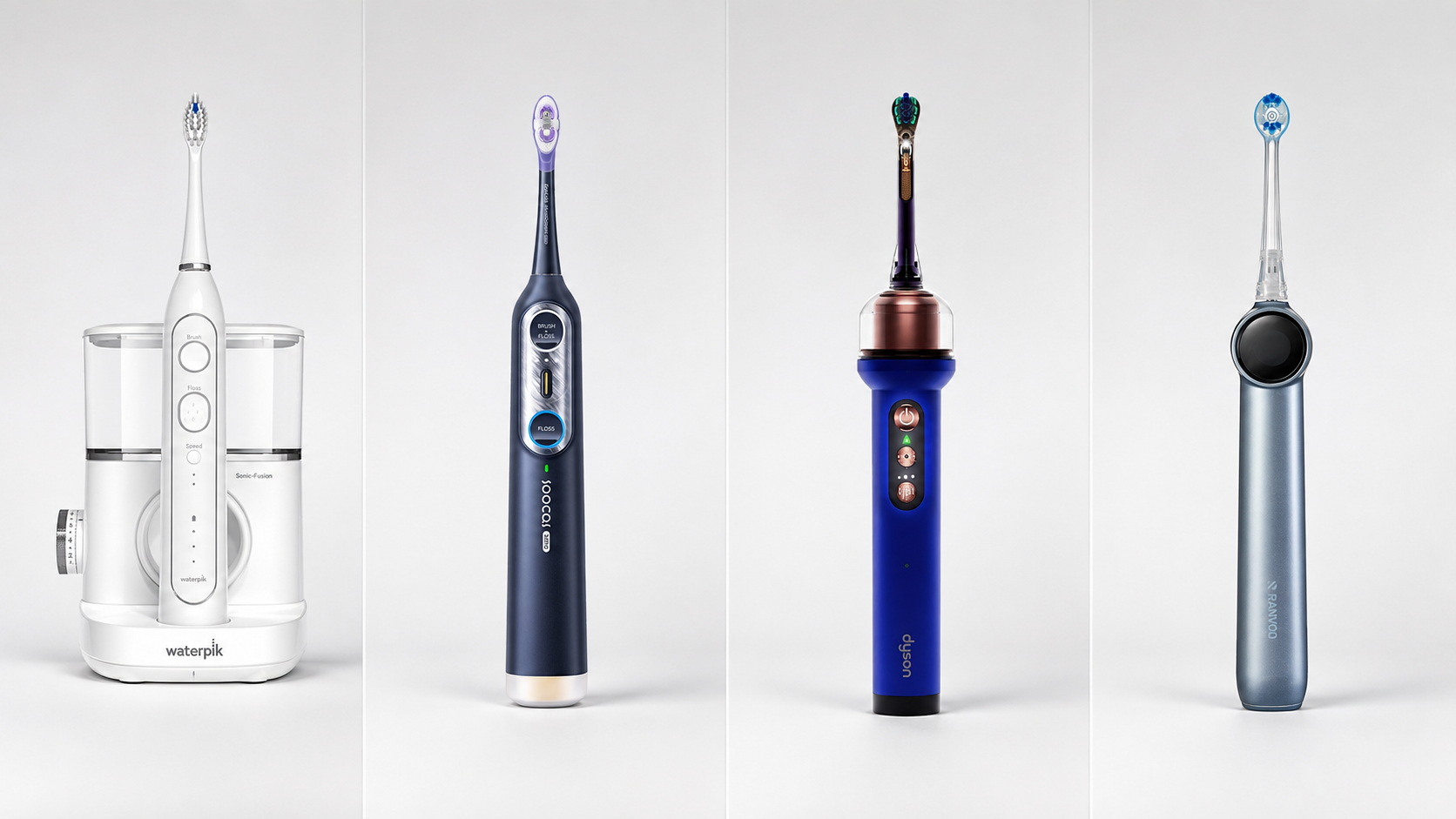







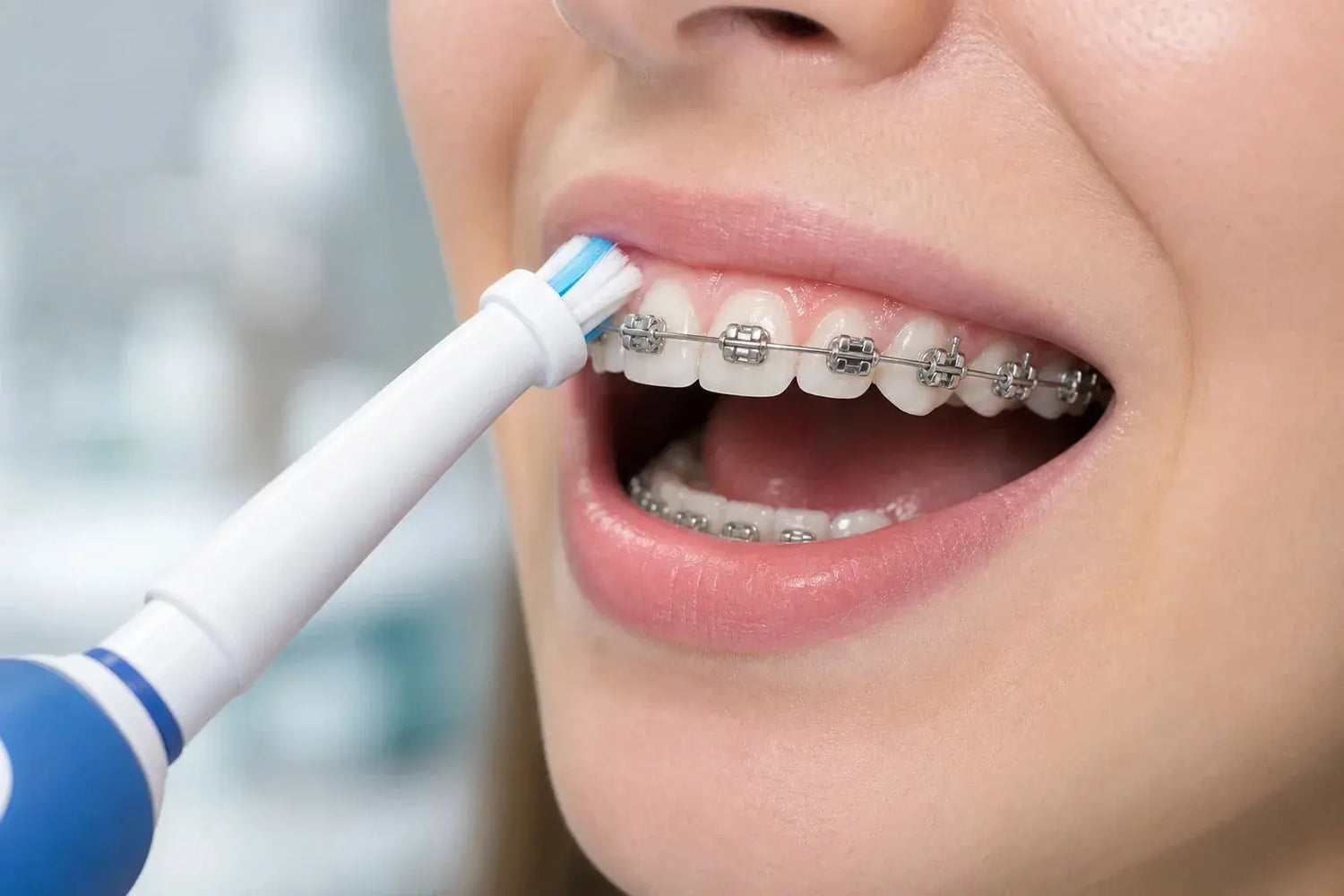
ใช่ — แปรงสีฟันไฟฟ้า แปรงสีฟันไฟฟ้า ไม่เพียงแต่ปลอดภัยสำหรับเหล็กจัดฟัน แต่ยังเป็นเครื่องมือที่ทรงพลังในการขจัดคราบพลัคได้มากขึ้น ปกป้องเหงือก และทำให้กิจวัตรประจำวันของคุณง่ายขึ้น สิ่งสำคัญคือการเลือกฟีเจอร์ที่เหมาะสมและใช้เทคนิคที่ถูกต้อง
ใช่ คุณทำได้ (และควรทำ): วิทยาศาสตร์เบื้องหลังแปรงไฟฟ้าและเหล็กจัดฟัน
เหล็กจัดฟันสร้างซอกมุมมากมายที่คราบพลัคซ่อนอยู่ ข่าวดี? แปรงสีฟันไฟฟ้ามีประสิทธิภาพเหนือกว่าแปรงธรรมดาอย่างสม่ำเสมอในการรักษาอุปกรณ์จัดฟันให้สะอาด การวิเคราะห์อภิมานแบบเครือข่าย จากการทดลองแบบสุ่มที่มีกลุ่มควบคุมหลายรายการพบว่า แปรงสีฟันไฟฟ้าลดคะแนนคราบพลัคได้อย่างมีนัยสำคัญ ลดเลือดออกตามไรฟัน และปรับปรุงความลึกของช่องปริทันต์ในผู้ที่มีเหล็กจัดฟันแบบติดแน่นเมื่อเทียบกับการแปรงด้วยมือ อีกรายงานหนึ่งรายงานว่า ลดคราบพลัคได้เฉลี่ย 11% ในช่วงหนึ่งถึงสามเดือนและเพิ่มขึ้นเป็น 21% หลังใช้งานสามเดือนเมื่อเทียบกับแปรงธรรมดา
สิ่งที่ทำให้แตกต่างคือการเคลื่อนไหวที่รวดเร็วและสม่ำเสมอ — ไม่ว่าจะเป็นแบบหมุนสลับหรือแบบโซนิค — ที่ทำลายไบโอฟิล์มรอบๆ แบร็กเก็ตและลวดโดยไม่ต้องถู ซึ่งหมายถึงเคลือบฟันที่แข็งแรงขึ้นและลดความเสี่ยงของ รอยโรคจุดขาว (ฟันผุระยะแรก) ที่มักปรากฏรอบๆ อุปกรณ์จัดฟันเมื่อการทำความสะอาดไม่เพียงพอ
- แปรงไฟฟ้าสามารถเข้าถึงบริเวณที่แปรงธรรมดาเข้าถึงได้ยาก โดยเฉพาะบริเวณถัดจากแบร็กเก็ต
- ตัวจับเวลาและแรงกดที่สม่ำเสมอช่วยให้คุณแปรงนานพอและเบาพอในทุกครั้ง
- หัวแปรงขนาดเล็กที่นุ่มช่วยลดการระคายเคืองเหงือกในขณะที่เพิ่มการเข้าถึงรอบๆ ลวดและยาง
ทำไมแปรงสีฟันไฟฟ้าถึงเปลี่ยนเกมสำหรับสุขอนามัยช่องปากระหว่างจัดฟัน
ข้อได้เปรียบในการขจัดคราบพลัค
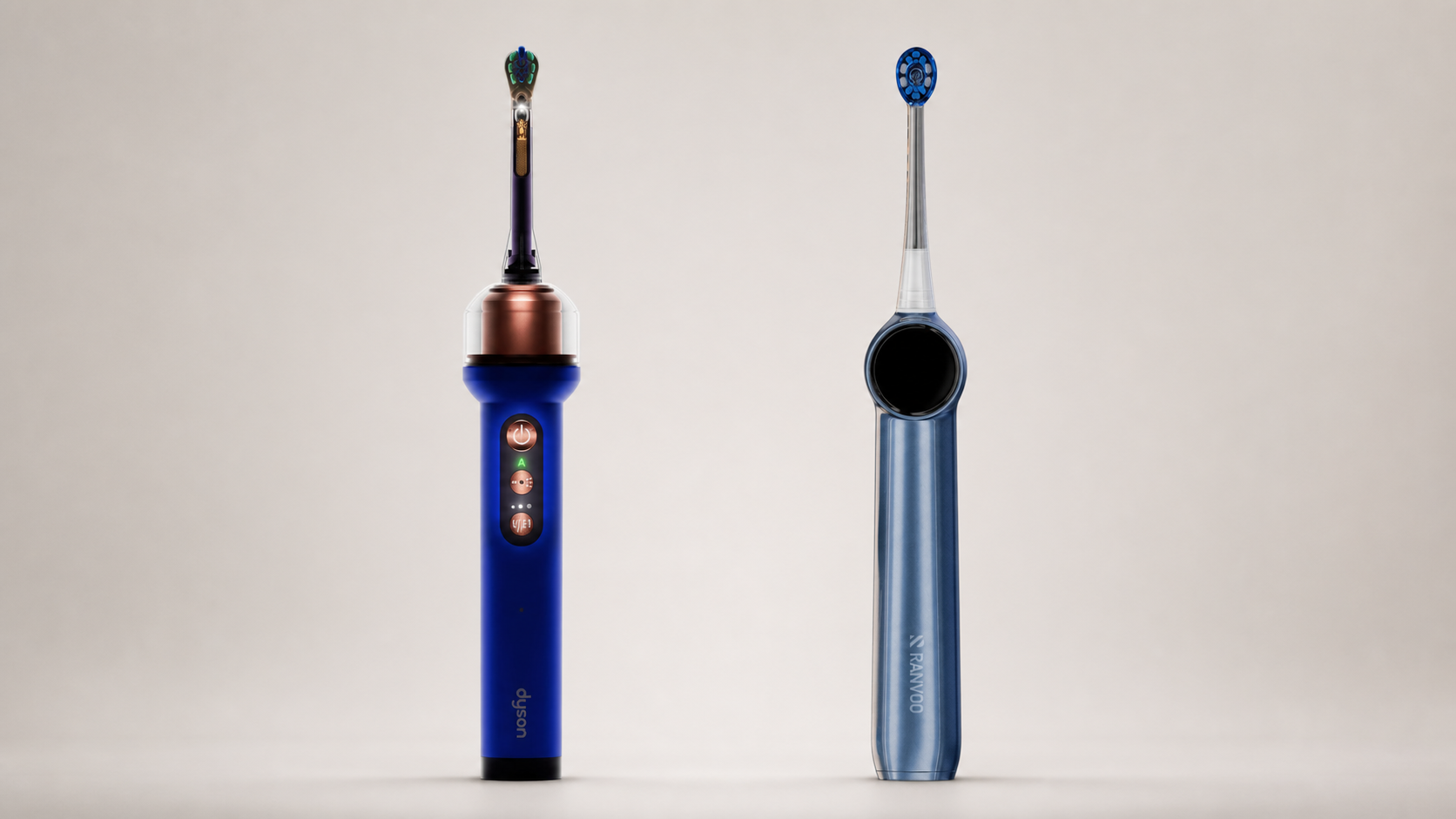
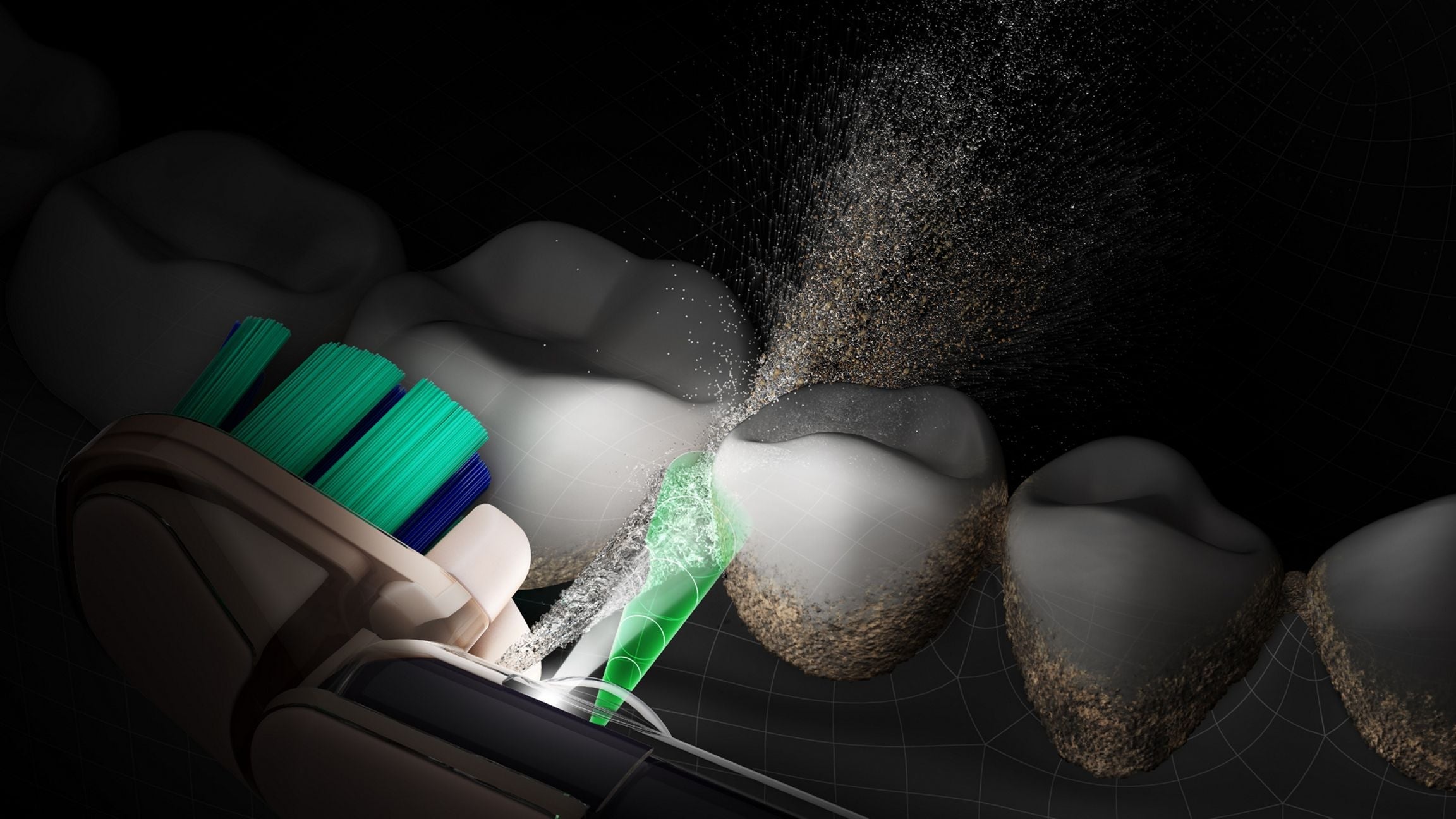
เหล็กจัดฟันแบบติดแน่นเพิ่ม การสะสมของคราบพลัค อย่างมาก เพราะแบร็กเก็ต ลวด และยางสร้างพื้นผิวใหม่ให้แบคทีเรียเกาะติด ในการ ประเมินทางคลินิก 12 สัปดาห์, แปรงสีฟันไฟฟ้าสำหรับจัดฟันลดดัชนีเหงือก (การวัดการอักเสบของเหงือก) จาก 1.08 เป็น 1.01 และดัชนีคราบพลัคจาก 1.13 เป็น 1.02 สะท้อนถึงการควบคุมคราบพลัคที่ดีขึ้นและเหงือกที่แข็งแรงขึ้น บริเวณที่ดื้อรั้นที่สุด — ถัดจากแบร็กเก็ต — แสดงการปนเปื้อนตกค้างสูงสุดในการทดสอบในห้องปฏิบัติการอย่างสม่ำเสมอ ทำให้ชัดเจนว่า แปรงที่สามารถกำหนดเป้าหมายบริเวณวิกฤตนี้ได้นั้นจำเป็น. นี่คือจุดที่เทคโนโลยีล้ำสมัย เช่น ระบบไอพ่นฟองอากาศใน RANVOO AirJet X5 เข้ามามีบทบาท โดยใช้ไมโครฟองอากาศเพื่อเจาะเข้าไปในพื้นที่แคบเหล่านั้นโดยไม่ทำให้เหงือกเสียดสี — ทางออกที่เหมาะสำหรับการรักษาแบร็กเก็ตให้สะอาดโดยไม่ระคายเคืองเนื้อเยื่อที่บอบบาง
เอาชนะความเหนื่อยล้าจากการแปรงฟันระหว่างการรักษา
หลังจากจัดฟันมาหลายเดือน ความกระตือรือร้นในการแปรงอย่างพิถีพิถัน 2 นาทีมักจะจางหายไป ตัวจับเวลาในตัวช่วยขจัดความไม่แน่นอน และการเคลื่อนไหวแบบหมุนหรือโซนิคทำงานให้คุณแทนที่จะต้องถูด้วยมือที่อาจทำให้ข้อมือเหนื่อยและนำไปสู่การทำความสะอาดที่เร่งรีบและไม่สมบูรณ์ คุณเพียงแค่ค่อยๆ เลื่อนหัวแปรงจากฟันซี่หนึ่งไปยังอีกซี่ ผลลัพธ์: การครอบคลุมที่ทั่วถึงมากขึ้น แม้ในฟันหลังที่เข้าถึงยาก โดยใช้ความพยายามน้อยลง
ปกป้องสุขภาพเหงือกท่ามกลางอุปกรณ์
เซ็นเซอร์วัดแรงกดไม่ใช่สิ่งฟุ่มเฟือย — มันคือเพื่อนที่ดีที่สุดของเหงือกและแบร็กเก็ตของคุณ การแปรงแรงเกินไปอาจทำให้เหงือกที่บอบบางอักเสบและอาจเสี่ยงต่อการงอของลวดแนวแกน
แปรงสีฟันไฟฟ้าหลายรุ่นในปัจจุบันมาพร้อมกับ เซ็นเซอร์วัดแรงกด ที่ไฟสว่าง สั่น หรือหยุดชั่วคราวเมื่อคุณออกแรงมากเกินไป ฟีดแบ็กอัตโนมัตินี้จะฝึกให้คุณใช้แรงสัมผัสเบาๆ ช่วยหลีกเลี่ยงการร่นของเหงือก พร้อมทั้งรักษาการยึดเกาะระหว่างแบร็กเก็ตกับฟัน สำหรับผู้ที่มีเหงือกบอบบางเป็นพิเศษ รุ่นอย่าง RANVOO AirJet X5 มีการปกป้องอีกชั้นหนึ่งด้วยเทคโนโลยี bubble jet ซึ่งผสานไมโครบับเบิลกับการสั่นความถี่ต่ำเพื่อทำความสะอาดอย่างมีประสิทธิภาพโดยไม่ต้องถูแรงๆ — ดังนั้นแม้คุณจะมีแนวโน้มเหงือกอักเสบจากเหล็กจัดฟัน คุณก็ยังแปรงฟันได้อย่างมั่นใจ

วิธีเลือกแปรงสีฟันไฟฟ้าที่ดีที่สุดสำหรับเหล็กจัดฟัน
ข้อถกเถียง: เทคโนโลยีหมุน/ส่าย vs โซนิค
ทั้งสองประเภทหลักมีประสิทธิภาพ แต่ทำงานในรูปแบบที่แตกต่างกันเล็กน้อย นี่คือการเปรียบเทียบสำหรับการดูแลทันตกรรมจัดฟัน:
| เทคโนโลยี | วิธีทำความสะอาด | ข้อดีสำหรับเหล็กจัดฟัน | ข้อควรพิจารณา |
|---|---|---|---|
| หมุน-ส่าย (เช่น Oral-B) | หัวแปรงกลมขนาดเล็กหมุนและส่ายเพื่อ "ครอบ" ฟันและแบร็กเก็ตแต่ละซี่ | การศึกษาทางคลินิกแสดงให้เห็นว่าลดความลึกของช่องปริทันต์ได้อย่างมีนัยสำคัญมากกว่าโซนิค/อัลตราโซนิคในผู้ป่วยจัดฟัน[^1]; ยอดเยี่ยมสำหรับการทำความสะอาดจุดเฉพาะรอบๆ แบร็กเก็ต | หัวแปรงอาจรู้สึกเทอะทะสำหรับบางคน; จำเป็นต้องเปลี่ยนหัวแปรงเป็นประจำ |
| โซนิค (เช่น Philips Sonicare) | การสั่นความถี่สูงแบบด้านข้างที่ดันของเหลวเข้าไปในบริเวณที่เข้าถึงยาก | พลศาสตร์ของไหลสามารถทำความสะอาดเกินปลายขนแปรงได้เล็กน้อย; หลายรุ่นมาพร้อมหัวแปรงเฉพาะสำหรับจัดฟันและโหมดสำหรับฟันที่บอบบาง | แรงกดที่มากเกินไปอาจยังเป็นปัญหาได้หากไม่มีเซ็นเซอร์; ประสิทธิภาพการทำความสะอาดอาจขึ้นอยู่กับเทคนิคมากกว่า |
ผู้ป่วยจัดฟันส่วนใหญ่ใช้ได้ดีกับทั้งสองประเภท แต่ข้อมูลการศึกษามีแนวโน้มไปทางการหมุน-ส่ายเล็กน้อยสำหรับการลดช่องปริทันต์ที่ลึก[^1] รุ่นที่คุณใช้อย่างถูกต้องสม่ำเสมอจะดีกว่ารุ่นที่คุณรู้สึกไม่สบายเสมอ
คุณสมบัติที่ขาดไม่ได้: เซ็นเซอร์วัดแรงกด
อย่าซื้อแปรงสีฟันที่ไม่มีคุณสมบัตินี้ เซ็นเซอร์ในตัวเป็นคุณสมบัติที่สำคัญที่สุดสำหรับผู้ใส่เหล็กจัดฟัน เซ็นเซอร์ปกป้องการยึดเกาะที่บอบบางระหว่างแบร็กเก็ตกับเคลือบฟัน ป้องกันความเสียหายโดยไม่ตั้งใจในช่วงเวลาที่คุณไม่ระวัง หากเซ็นเซอร์ทำงาน เพียงแค่ผ่อนแรงลงจนกว่าสัญญาณเตือนจะหยุด
บทบาทของหัวแปรงเฉพาะทางสำหรับจัดฟัน
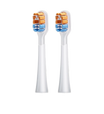
หัวแปรงมาตรฐานมักใหญ่และแข็งเกินไปที่จะเข้าถึงรอบๆ แบร็กเก็ต หัวแปรงสำหรับจัดฟันมีขนาดเล็กกว่า ขนแปรงนุ่มกว่า และบางครั้งออกแบบให้ขนแปรงตรงกลางสั้นกว่า (ทรง "วี") ที่ครอบแบร็กเก็ตได้พอดี ในขณะที่ขอบยาวปัดไปตามขอบเหงือก แบรนด์อย่าง Oral-B มีหัวแปรง Ortho โดยเฉพาะ และ Philips Sonicare มีหัวแปรงที่มีขนแปรงextra-soft อัดแน่นที่ปรับเข้ากับอุปกรณ์จัดฟัน หัวแปรงเหล่านี้คุ้มค่ากับค่าใช้จ่ายเพิ่มเติมเล็กน้อย เพราะทำความสะอาดได้มีประสิทธิภาพมากกว่า และสึกหรอช้าลงเมื่อใช้อย่างถูกวิธี
รุ่นยอดนิยม: คู่มือฉบับย่อ
- Philips Sonicare ProtectiveClean 6100 — เซ็นเซอร์วัดแรงกด ระดับความเข้มสามระดับ โหมด Gum Care และอายุแบตเตอรี่ที่ยาวนาน ทำให้เป็นรุ่นที่รอบด้านที่สุดสำหรับผู้ป่วยจัดฟันส่วนใหญ่
- Oral-B iO Series — เทคโนโลยีหมุนสั่นพร้อมเซ็นเซอร์วัดแรงกดอัจฉริยะและตัวเลือกหัวแปรงออร์โธที่ทำความสะอาดล้ำลึกรอบๆ แบร็กเก็ตทุกชิ้น
- Sonicare ProtectiveClean 4100 — ตัวเลือกที่เป็นมิตรกับงบประมาณ พร้อมการป้องกันแรงกดที่จำเป็นและการใช้งานที่ง่าย เหมาะสำหรับวัยรุ่น
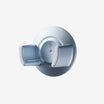
- RANVOO AirJet X5 — โดดเด่นสำหรับผู้ที่มีเหงือกแพ้ง่าย เทคโนโลยี Bubble Jet ผสานไมโครบับเบิลกับการไหลของน้ำเพื่อชะล้างเศษอาหารออกจากใต้ลวดและระหว่างแบร็กเก็ต ในขณะที่การสั่นแบบไมโครความถี่ต่ำช่วยปกป้องเนื้อเยื่อที่บอบบางอย่างอ่อนโยน นอกจากนี้ ขายึดติดผนังแม่เหล็กที่ป้องกันเชื้อรายังช่วยให้หัวแปรงแห้งและสะอาดอยู่เสมอ ซึ่งเป็นไอเดียที่ดีสำหรับการจัดเก็บในห้องน้ำ
การเรียนรู้เทคนิค: คู่มือทีละขั้นตอนสำหรับผู้ใส่เหล็กจัดฟัน
กฎ "ไม่ต้องถู": ปล่อยให้แปรงทำงาน
การแปรงฟันด้วยเหล็กจัดฟันคือเรื่องของการจัดมุม ไม่ใช่การใช้แรงกด การแปรงแรงๆ ไม่ได้ช่วยให้สะอาดขึ้น แค่ทำให้หัวแปรงสึกเร็วขึ้นและอาจระคายเคืองเหงือก คิดว่าตัวเองเป็นผู้แนะนำ ไม่ใช่คนถู
- ทำให้ขนแปรงเปียกและบีบยาสีฟันที่มีฟลูออไรด์ขนาดเท่าเมล็ดถั่ว
- วางแปรงแนบกับฟันของคุณที่มุม 45 องศา กับแนวเหงือก
- เปิดแปรงและค้างไว้สองสามวินาทีบนฟันแต่ละซี่ ครอบคลุมสามพื้นผิว: ด้านนอก (ด้านแก้ม) ด้านใน (ด้านลิ้น) และด้านบดเคี้ยว
- ใช้แรงกดเบาๆ — หากแปรงของคุณมีเซ็นเซอร์แรงกด ให้หลีกเลี่ยงการกระตุ้นมัน
- หลังจากแปรงฟันครบทุกซี่แล้ว ให้บ้วนยาสีฟันส่วนเกินออก แต่หลีกเลี่ยงการบ้วนปากด้วยน้ำทันที เพื่อให้ฟลูออไรด์อยู่บนฟันได้นานขึ้น
การทำความสะอาดแบบแบ่งโซน: แนวทางที่ระบบ
แบ่งปากของคุณออกเป็นสี่ส่วน (ขวาบน ซ้ายบน ขวาล่าง ซ้ายล่าง) ใช้เวลาส่วนละ 30 วินาที ปล่อยให้ตัวจับเวลาเป็นตัวนำทาง
- เหนือแบร็กเก็ต: เอียงขนแปรงลงเพื่อปัดคราบพลัคที่อยู่บนขอบบนของแบร็กเก็ตและฟันที่อยู่เหนือขึ้นไป
- บนแบร็กเก็ต: วางแปรงลงบนหน้าแบร็กเก็ตโดยตรงหนึ่งหรือสองวินาที ปล่อยให้การเคลื่อนไหวทำความสะอาดปีกและบริเวณใต้ลวด
- ใต้แบร็กเก็ต / แนวเหงือก: เอียงแปรงขึ้นเพื่อทำความสะอาดบริเวณสำคัญที่ฟันสัมผัสกับเหงือก นี่คือจุดที่เลือดออกมักเริ่มต้น — อย่าหลีกเลี่ยง แต่ต้องเบามือ
ขั้นตอนสำคัญที่คุณอาจพลาด: มุมระหว่างซี่ฟัน
เพื่อเข้าถึงใต้ลวดจัดฟัน เอียงหัวแปรงและสอดขนแปรงเบาๆ ระหว่างลวดกับฟัน สำหรับแปรงโซนิค คุณสามารถหยุดการเคลื่อนไหวชั่วคราว จัดตำแหน่งขนแปรง แล้วเริ่มใหม่ได้ มุมนี้ช่วยขับเศษอาหารและคราบพลัคที่ซ่อนอยู่ในจุดที่ลวดพาดผ่านผิวฟัน

เมื่อแปรงสีฟันไฟฟ้าอาจไม่เพียงพอ: การเสริมกิจวัตรของคุณ
แม้แต่แปรงสีฟันไฟฟ้าที่ดีที่สุดก็ไม่สามารถเข้าถึงได้ทุกมิลลิเมตร เหล็กจัดฟันต้องการชุดเครื่องมือที่ครบครัน
เครื่องฉีดน้ำชำระล้าง: เพื่อนที่ดีที่สุดของทันตแพทย์จัดฟัน
เครื่องฉีดน้ำชำระล้างจะยิงกระแสน้ำแรงดันสูงเพื่อชะล้างเศษอาหารและคราบพลัครอบๆ แบร็กเก็ตและใต้ลวด แม้จะไม่ได้แทนที่ไหมขัดฟันแบบเส้นในการกำจัดคราบพลัคที่ติดใต้แนวเหงือก แต่ช่วยลดเศษอาหารที่เลี้ยงแบคทีเรียได้อย่างมาก ใช้หลังการแปรงฟันเพื่อล้างเศษที่หลุดออก
การเรียนรู้การใช้แปรงซอกฟันและไหมขัดฟันแบบร้อย
- แปรงซอกฟัน: แปรงรูปกรวยขนาดเล็กที่สอดเข้าไปใต้ลวดและระหว่างซี่ฟันใช้ทุกวันเพื่อทำความสะอาดด้านข้างของแบร็กเก็ตแต่ละชิ้นและระหว่างซี่ฟันที่หัวแปรงไม่สามารถเข้าถึงได้
- ไหมขัดฟันแบบมีด้ายหรือไหมขัดฟันสำหรับจัดฟัน: ไหมขัดฟันแบบใช้มือยังคงเป็นมาตรฐานทองคำสำหรับบริเวณใต้เหงือก. ร้อยไหมขัดฟันใต้ลวดหลัก จากนั้นขัดฟันตามปกติระหว่างซี่ฟันสองซี่ ทำอย่างน้อยวันละครั้ง — ideally ก่อนนอน
ปกป้องการลงทุนของคุณ: หลีกเลี่ยงความเสียหายต่อแบร็กเก็ตและลวด
แปรงสีฟันไฟฟ้าสามารถทำให้แบร็กเก็ตหลุดได้จริงหรือ?
แบร็กเก็ตที่แข็งแรงซึ่งยึดติดอย่างถูกต้องด้วยกาวจัดฟันสมัยใหม่ จะไม่หลุดจากการใช้แปรงสีฟันไฟฟ้าตามปกติ — แม้จะตั้งค่าความแรงสูงก็ตาม แบร็กเก็ตจะหลวมเมื่อมันเริ่มหลุดออกแล้ว เมื่อคุณกัดอาหารแข็งหรือเหนียว หรือเมื่อคุณแคะมัน การสั่นสะเทือนอย่างอ่อนโยนของแปรง แม้ว่าจะไปติดกับยางรัดเป็นครั้งคราว ก็ไม่ใช้แรงโดยตรงและต่อเนื่องที่จำเป็นในการทำลายการยึดติด เซ็นเซอร์วัดแรงกดช่วยเพิ่มความมั่นใจอีกชั้น: หากคุณเผลอกดแรงเกินไป สัญญาณเตือนจะหยุดคุณก่อนที่คุณจะเสี่ยงต่อแบร็กเก็ตที่เสียหาย
ตัวการที่แท้จริง: อาหารเหนียวและนิสัยการใช้มือที่ไม่ดี
ในขณะที่แปรงสีฟันไฟฟ้ามี ความเสี่ยงต่ำ, การกระทำเหล่านี้คือภัยคุกคามที่แท้จริง:
- ความเสี่ยงสูง: การเคี้ยวน้ำแข็ง ลูกอมแข็ง คาราเมล หรือกัดแอปเปิ้ลทั้งลูก การแคะแบร็กเก็ตด้วยเล็บมือ การใช้ไม้จิ้มฟันอย่างรุนแรงใกล้ลวด
- ความเสี่ยงต่ำ: การแปรงอย่างอ่อนโยนด้วยแปรงสีฟันไฟฟ้าขนนุ่มและเซ็นเซอร์วัดแรงกด การทำความสะอาดรอบแบร็กเก็ตด้วยแปรงซอกฟัน การถอด ยางรัด ก่อนแปรงและใส่ยางเส้นใหม่หลังจากนั้น
หากคุณใช้ขี้ผึ้งจัดฟัน ควรหลีกเลี่ยงการแปรงโดยตรงบนขี้ผึ้งจำนวนมาก เพราะขนแปรงอาจทำให้มันลอกออก ทาขี้ผึ้งหลังแปรงและเช็ดบริเวณแบร็กเก็ตให้แห้งเพื่อการยึดเกาะที่ดีขึ้น
บทสรุป: เสริมพลังการเดินทางจัดฟันของคุณ
การใช้แปรงสีฟันไฟฟ้ากับเครื่องมือจัดฟันไม่เพียงแต่ปลอดภัย — แต่ยังเป็นวิธีที่ชาญฉลาดและได้รับการสนับสนุนทางวิทยาศาสตร์ในการปกป้องรอยยิ้มของคุณระหว่างการรักษา ด้วยหัวแปรงที่เหมาะสม เซ็นเซอร์วัดแรงกดที่ทำงาน และเทคนิคอย่างจงใจที่อธิบายไว้ข้างต้น คุณสามารถลดโอกาสเกิดจุดขาวและปัญหาเหงือกได้อย่างมาก โปรดจำไว้ว่าไม่มีแปรงใดทำงานเพียงลำพัง เสริมกิจวัตรของคุณด้วยเครื่องฉีดน้ำหรืออุปกรณ์ซอกฟัน สำหรับข้อกังวลเฉพาะใดๆ — โดยเฉพาะถ้าคุณมีเครื่องมือจัดฟันแบบลิ้น ลวดส่วนโค้งหนาผิดปกติ หรือเหงือกที่บอบบางมาก — ปรึกษาทันตแพทย์จัดฟันของคุณ พวกเขาสามารถปรับคำแนะนำเหล่านี้ให้เข้ากับอุปกรณ์เฉพาะของคุณและช่วยให้คุณจบการรักษาด้วยรอยยิ้มที่ทั้งสุขภาพดีและตรง
[^1]: N. N. Laganà et al., “Powered toothbrushes for plaque control in fixed orthodontic patients: a network meta-analysis,” Australian Dental Journal, 2021. https://onlinelibrary.wiley.com/doi/10.1111/adj.12798 [^2]: S. A. Al-Makramani et al., “Effect of toothbrush type on biofilm and periodontal health in orthodontic patients,” PMC, 2025. https://pmc.ncbi.nlm.nih.gov/articles/PMC12569896/ [^3]: R. S. Alshahrani et al., “Evaluation of orthodontic tooth brush designs among patients with fixed orthodontic appliances,” PMC, 2025. https://pmc.ncbi.nlm.nih.gov/articles/PMC12697438/ [^4]: M. H. Müller et al., “Cleaning performance of electric toothbrushes around brackets applying different brushing forces: an in-vitro study,” Scientific Reports, 2024. https://pmc.ncbi.nlm.nih.gov/articles/PMC10928086/