






TL;DR: ทารกส่วนใหญ่มีฟันซี่แรกเมื่ออายุระหว่าง 4 ถึง 7 เดือน แต่ช่วงเวลาตั้งแต่ 3 เดือนจนถึงมากกว่าหนึ่งปีถือเป็นเรื่องปกติโดยสิ้นเชิง การงอกของฟันอาจทำให้มีน้ำลายไหล กัดสิ่งของ และหงุดหงิดเล็กน้อย แต่ไม่เคยมีไข้สูงหรือท้องเสียเลย การบรรเทาที่ปลอดภัยมาจากของเย็น (ไม่ใช่แช่แข็ง) การนวดเหงือก และสำหรับฟันซี่แรกควรใช้ แปรงสีฟันไฟฟ้าแบบอ่อนโยน หลีกเลี่ยงลูกปัดอำพัน เจลชา และแหวนแช่แข็ง และควรโทรหากุมารแพทย์หากมีไข้สูงเกิน 100.4°F หรือร้องไห้ปลอบไม่หยุด

คุณกำลังนั่งอยู่บนโซฟาเวลา 3 ทุ่ม ถูหลังลูกน้อยขณะที่พวกเขากัดข้อนิ้วของคุณอย่างแรง คุณพิมพ์ค้นหาใน Google ว่า "ทารกเริ่มงอกฟันเมื่อไหร่" ยินดีต้อนรับสู่ชมรม การทำความเข้าใจช่วงเวลาของ การขึ้นของฟันน้ำนม—และการรู้ว่าอะไรปกติ—สามารถช่วยให้คุณผ่านช่วงนี้ไปได้ด้วยความมั่นใจมากขึ้นและค้นหาน้อยลง
ทำความเข้าใจช่วงเวลาของฟันน้ำนม
โดยเฉลี่ยฟันซี่แรกจะขึ้นเมื่ออายุประมาณ 6 เดือนแต่ช่วงกว้างถือว่าปกติ ตามการทบทวนอย่างเป็นระบบทั่วโลกซึ่งครอบคลุมเด็กกว่า 42,000 คน ฟันซี่แรก (ฟันหน้าล่างซี่กลาง) ขึ้นได้ตั้งแต่ 6 เดือน ในอเมริกาเหนือจนถึง 13.5 เดือน ในบางส่วนของเอเชีย ข้อมูลแสดงความแตกต่างทั่วโลกในลำดับการขึ้นของฟันดังนั้นหากลูกของเพื่อนคุณมีฟันสองซี่ตอน 4 เดือน และลูกของคุณยังไม่มีฟันตอน 11 เดือน ก็ไม่มีใครช้ากว่าใคร
พันธุกรรมมีบทบาทสำคัญ หากคุณหรือคู่ของคุณฟันขึ้นเร็วหรือช้า ลูกของคุณอาจเป็นแบบเดียวกัน การคลอดก่อนกำหนดก็สามารถเปลี่ยนเวลาได้: เมื่อใช้age ที่ปรับแล้ว ทารกที่คลอดก่อนกำหนดมักจะขึ้นฟันเร็วกว่าที่คาดไว้ ผู้ปกครองสังเกตว่าทารกคลอดก่อนกำหนดขึ้นฟันเร็วกว่าเมื่อปรับตามอายุครรภ์อย่างไรก็ตาม ทารกส่วนใหญ่จะมีฟันน้ำนมครบ 20 ซี่ภายในอายุ 3 ขวบ
ลำดับการขึ้นของฟัน
- ฟันหน้าล่างซี่กลาง (ฟันหน้าล่าง) — มักจะขึ้นเป็นซี่แรก อายุประมาณ 6–10 เดือน
- ฟันหน้าบนซี่กลาง — ถัดมา อายุ 8–12 เดือน
- ฟันหน้าบนซี่ข้าง — อายุ 9–13 เดือน
- ฟันหน้าล่างซี่ข้าง — อายุ 10–16 เดือน
- ฟันกรามซี่แรก — 13–19 เดือน
- ฟันเขี้ยว — 16–23 เดือน
- ฟันกรามซี่ที่สอง — 23–33 เดือน
ลำดับนี้เป็นสิ่งที่คาดเดาได้ แต่ช่วงเวลาอาจแตกต่างกันไป ไม่ต้องรีบร้อน เด็กที่ฟันขึ้นช้าไม่ได้หมายความว่ามีพัฒนาการล่าช้า เพียงเพราะยังไม่มีฟันซี่แรกเมื่ออายุครบ 1 ขวบ
ลูกของคุณกำลังงอกฟันอยู่หรือเปล่า?
อาการงอกฟันมักถูกโทษว่าเป็นสาเหตุของทุกอย่าง ตั้งแต่ผื่นผ้าอ้อมไปจนถึงน้ำมูกไหล แต่จริงๆ แล้ว อาการงอกฟันคืออะไร? ในการทดลองทางคลินิกที่ติดตามเด็ก 254 คน อาการที่พบบ่อยที่สุดสามอย่างคือ น้ำลายไหล (92%), นอนไม่หลับ (82.3%)และ หงุดหงิด (75.6%). นักวิจัยพบว่าอาการเหล่านี้จะมากที่สุดในวันที่มีฟันขึ้นคุณอาจสังเกตเห็นเพิ่มเติม:
- การเอาอะไรมาใส่ปาก และการกัดหรือเคี้ยวมากขึ้น ไม่ว่าจะเป็นนิ้ว ของเล่น หรือทุกอย่าง
- มี ไข้ต่ำๆ (ต่ำกว่า 100.4°F) — มักเกิดขึ้นในวันที่มีฟันขึ้น ไม่ใช่วันก่อนหน้า
- แก้มแดง หรือผื่นเล็กน้อยที่ใบหน้าจากน้ำลาย
- เบื่ออาหารโดยเฉพาะอาหารแข็ง
สังเกตสิ่งที่ไม่ได้กล่าวถึง: ไข้สูง ท้องเสีย ผื่นทั่วร่างกาย และไอหนัก อาการเหล่านี้ไม่ได้เกิดจากการงอกฟัน เมื่อพ่อแม่ถามฉันว่า การงอกฟันทำให้มีไข้ 103°F ได้ไหม คำตอบคือไม่ การงอกฟันไม่ทำให้เกิดอาการเจ็บป่วยทั้งระบบ หากลูกของคุณมีไข้จริง (>100.4°F) หรือท้องเสียมาก แสดงว่ามีสาเหตุอื่น—อาจเป็นการติดเชื้อไวรัส การโทษว่าอาการเหล่านี้เกิดจากการงอกฟันอาจทำให้การวินิจฉัยโรคหูชั้นกลางอักเสบ การติดเชื้อทางเดินปัสสาวะ หรือปัญหาอื่นๆ ล่าช้า ดังนั้น เชื่อสัญชาตญาณของคุณ แต่ก็เชื่อเทอร์โมมิเตอร์ด้วย

วิธีบรรเทาอาการงอกฟันของทารก
การบรรเทาอย่างปลอดภัยเริ่มจากวิธีทางกายภาพง่ายๆ เป้าหมายคือ แรงกดทับและความเย็น—ทั้งสองช่วยลดการอักเสบของเหงือกและเบี่ยงเบนความสนใจจากความไม่สบาย
- เย็น แต่ไม่แช่แข็ง แหวนงอกฟันซิลิโคนที่แช่เย็น (ไม่แช่แข็ง) หรือผ้าขนหนูเปียกที่สะอาดแช่ในตู้เย็น 10–15 นาทีสามารถเปลี่ยนแปลงเกมได้ ของที่แช่แข็งอาจทำให้เนื้อเยื่อเหงือกเล็กๆ บาดเจ็บเหมือนถูกน้ำแข็งกัด
- นวดเหงือก ล้างมือและใช้นิ้วที่สะอาดนวดบริเวณที่บวมเบาๆ คุณจะรู้สึกถึงขอบฟันที่แหลมคมใต้ผิวเหงือก
- การกอดบำบัด บางครั้งสิ่งที่ลูกน้อยต้องการก็คือการถูกกอด ในการทดลองทางคลินิกเดียวกัน การกอดบำบัดและการนวดเหงือกเป็นวิธีที่มีประสิทธิภาพมากที่สุด ร่วมกับแหวนงอกฟัน วิธีการที่ไม่ใช้ยา โดยเฉพาะแหวนงอกฟันและการนวดเหงือก ให้การบรรเทาที่ดีที่สุด.
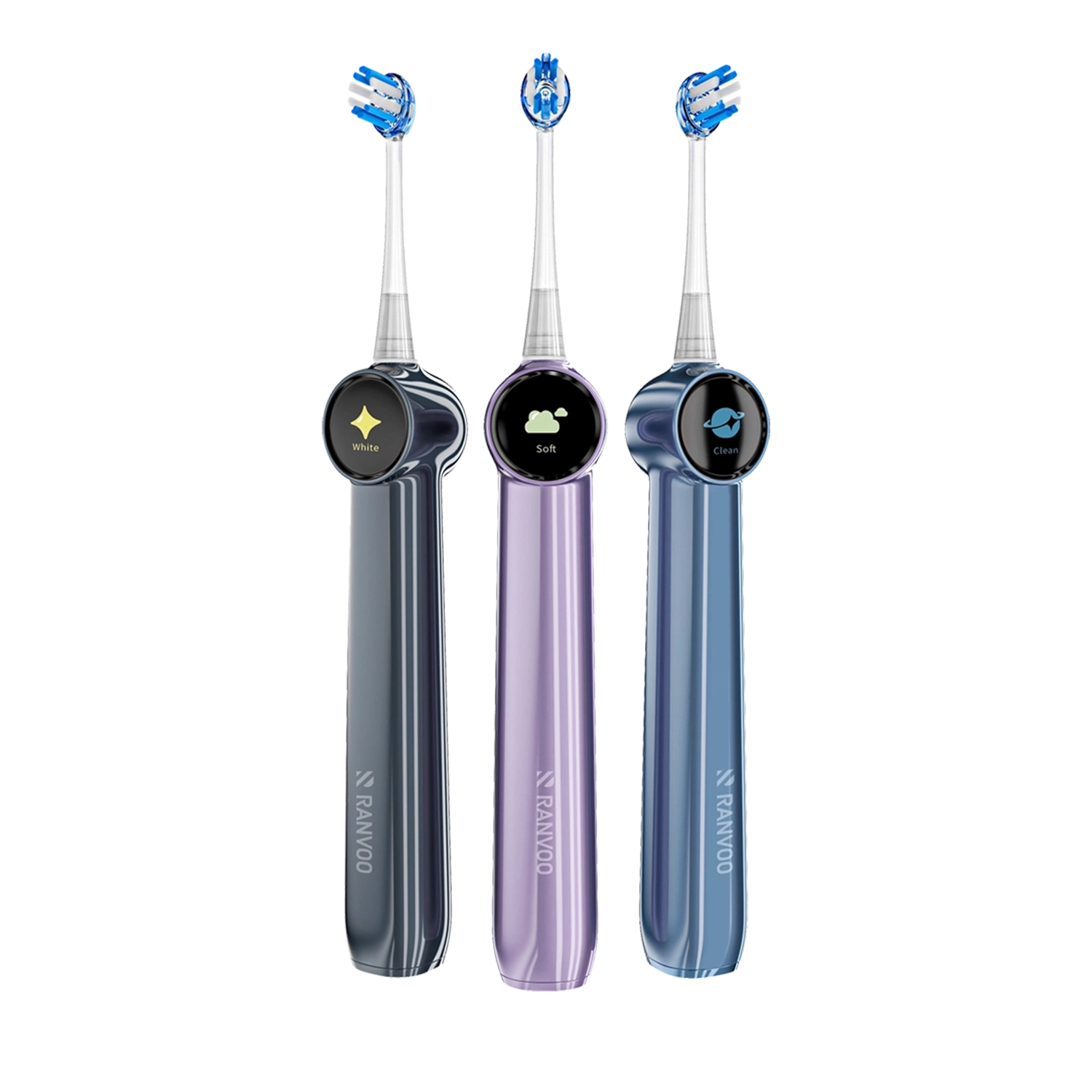
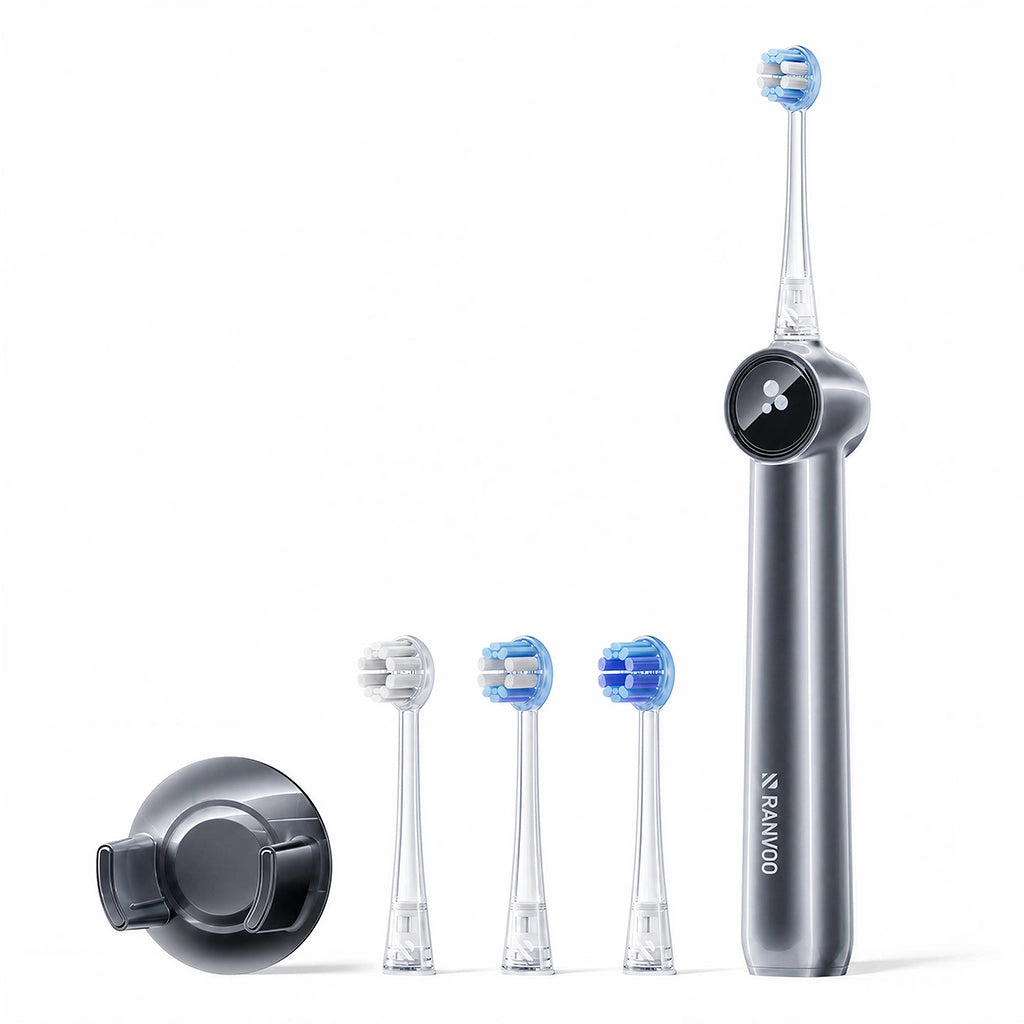
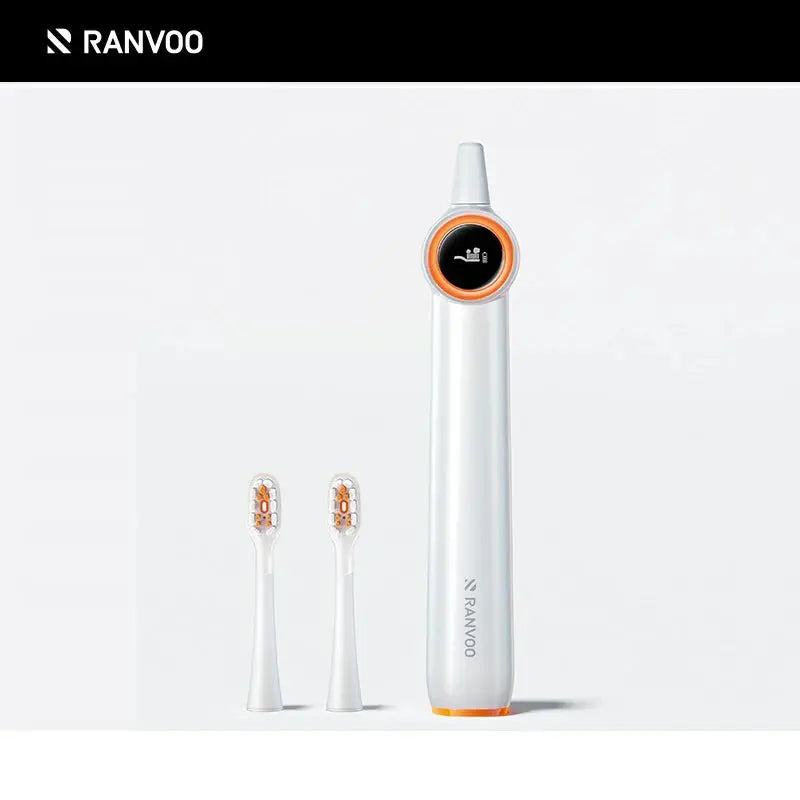
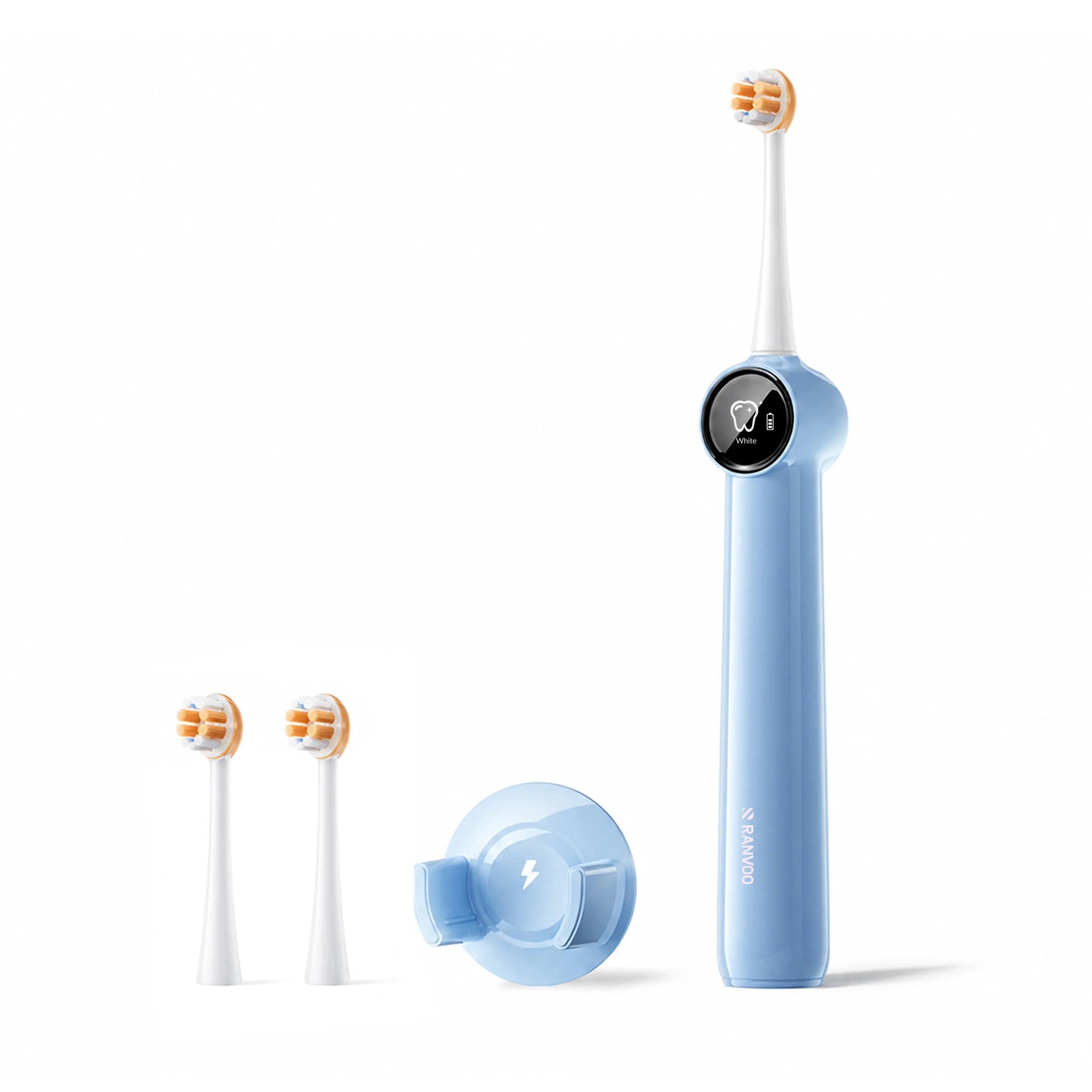
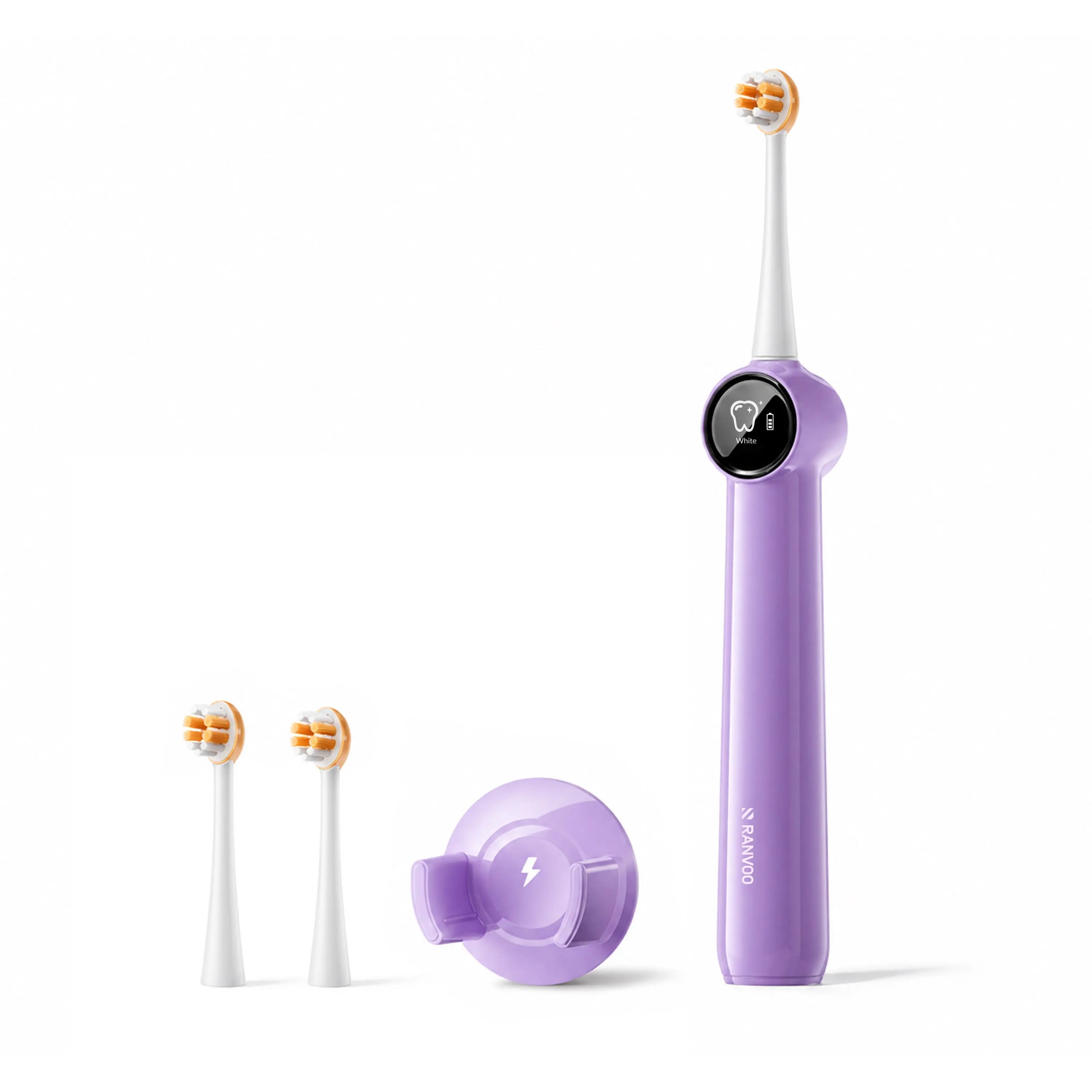
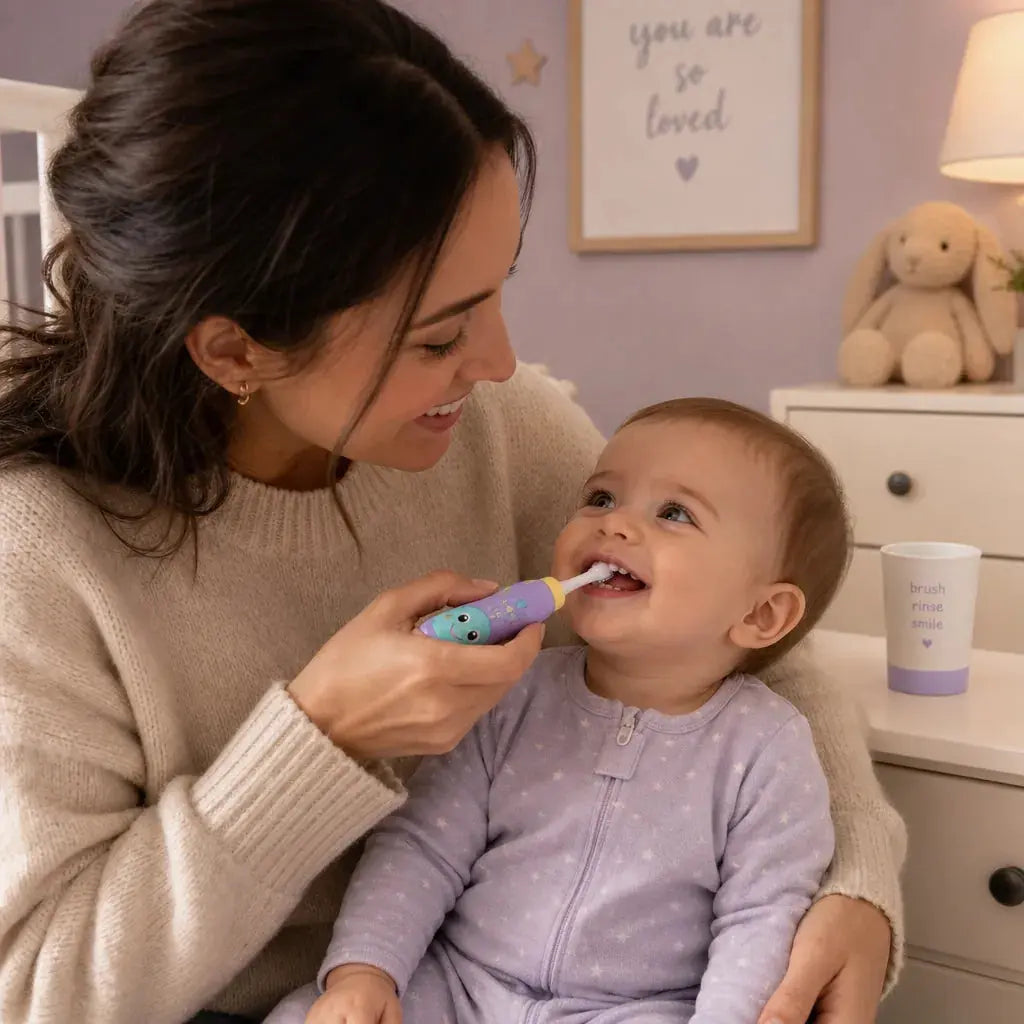
- เริ่มดูแลช่องปากอย่างอ่อนโยนตั้งแต่เนิ่นๆ เมื่อฟันซี่แรกขึ้น คุณไม่ได้แค่บรรเทาเหงือกอีกต่อไป แต่คุณกำลังทำความสะอาดฟัน แปรงสีฟันไฟฟ้า แปรงสีฟันไฟฟ้า ที่ออกแบบมาสำหรับทารกสามารถปัดคราบพลัคออกจากผิวฟันซี่เล็กๆ นั้นได้อย่างอ่อนโยน และทารกหลายคนพบว่าการสั่นสะเทือนที่นุ่มนวลช่วยให้รู้สึกผ่อนคลาย ใช้กับน้ำเปล่า เป็นวิธีที่ปลอดภัยในการสร้างนิสัยการแปรงฟันตั้งแต่วันแรก
หากวิธีการที่ไม่ใช้ยาไม่เพียงพอและลูกน้อยของคุณเจ็บปวดอย่างชัดเจน โดยเฉพาะตอนกลางคืน ควรใช้ยา อะเซตามิโนเฟน (ไทลินอล) หรือ ไอบูโพรเฟน (มอทริน) สำหรับทารกอายุมากกว่า 6 เดือนสามารถใช้ได้เป็นครั้งคราว ปฏิบัติตามคำแนะนำการให้ยาตามน้ำหนัก ไม่ใช่อายุ และปรึกษากุมารแพทย์หากไม่แน่ใจ ห้ามให้แอสไพริน และอย่าใช้ยาแก้ปวดตลอดเวลา ยาเหล่านี้เป็นตัวสำรอง ไม่ใช่ตัวเลือกแรก
สิ่งที่ควรหลีกเลี่ยง
พ่อแม่ที่มีเจตนาดีได้รับคำแนะนำที่อันตรายมาหลายปี มาดูกันว่าควรหลีกเลี่ยงอะไร—และทำไม
- เจลชาที่มีเบนโซเคน: FDA เตือนอย่างยิ่งเกี่ยวกับเบนโซเคนสำหรับการงอกฟัน เพราะสามารถทำให้เกิดภาวะที่พบได้ยากแต่เป็นอันตรายถึงชีวิตที่เรียกว่า เมทฮีโมโกลบินemia, ซึ่งลดออกซิเจนในเลือด แม้แต่เจลลิโดเคนเฉพาะที่ก็ไม่แนะนำ เนื่องจากความเสี่ยงต่อการชักและระบบทางเดินหายใจหยุดทำงาน การทบทวนความปลอดภัยแสดงให้เห็นว่าเจลชาลิโดเคนมีประสิทธิภาพจำกัดและมีความเสี่ยงต่อพิษร้ายแรง.
- สร้อยคอมุกอำพันสำหรับงอกฟัน: สิ่งเหล่านี้เป็นอันตรายต่อการรัดคอและการสำลัก และไม่มีหลักฐานทางวิทยาศาสตร์ว่ากรดซัคซินิกที่ปล่อยออกมาจากลูกปัดที่ได้รับความร้อนช่วยบรรเทาอาการปวด สมาคมกุมารเวชศาสตร์แห่งอเมริกาและ FDA แนะนำให้หลีกเลี่ยง
- แหวนงอกฟันแช่แข็ง: ดังที่กล่าวไว้ สิ่งเหล่านี้อาจทำลายเนื้อเยื่อในช่องปากที่บอบบาง ยึดติดกับแบบแช่เย็นในตู้เย็น
- ยาเม็ดงอกฟันชีวจิต: บางชนิดพบว่ามีระดับเบลลาดอนน่า ซึ่งเป็นสารพิษ ที่ไม่สม่ำเสมอ และถูกเรียกคืน
- แอลกอฮอล์ถูหรือวิสกี้บนเหงือก: ไม่ควรทำเด็ดขาด นี่คือความเชื่อผิดๆ จากคนรุ่นก่อนและอันตรายอย่างยิ่ง
สัญชาตญาณของคุณที่จะปลอบโยนลูกน้อยนั้นถูกต้อง เพียงแค่ต้องแน่ใจว่าสิ่งที่ใช้ปลอดภัยพอๆ กับความรักของคุณ
เมื่อใดควรปรึกษากุมารแพทย์
การงอกของฟันส่วนใหญ่เป็นเกมรอคอยและเติบโต แต่สัญญาณบางอย่างหมายความว่าถึงเวลาต้องโทรหาแพทย์
- ไข้สูงเกิน 100.4°F (38°C) ไข้จริงไม่ใช่อาการของการงอกของฟัน
- ท้องเสียเป็นน้ำ. แม้น้ำลายไหลอาจทำให้อุจจาระเหลว แต่ท้องเสียเป็นน้ำอย่างต่อเนื่องอาจนำไปสู่ภาวะขาดน้ำและมักบ่งบอกถึงการติดเชื้อในกระเพาะอาหาร
- ผื่นทั่วร่างกาย, ไม่ใช่แค่ผื่นน้ำลายรอบปากเล็กน้อย
- ร้องไห้ไม่หยุด ที่ไม่ตอบสนองต่อการปลอบโยนหรือยาแก้ปวด
- ไม่มีฟันซี่แรกเมื่ออายุ 15–18 เดือน. แม้ฟันซี่แรกช้ากว่าปกติมักจะไม่เป็นไรหากลูกน้อยเจริญเติบโตและพัฒนาตามปกติ แต่ทันตแพทย์เด็กสามารถตรวจหาสาเหตุทางระบบ เช่น ภาวะไทรอยด์ต่ำ หากไม่มีฟันขึ้นจนถึงเวลานั้น การพบทันตแพทย์ครั้งแรก ควรเกิดขึ้นเมื่ออายุ 1 ปีหรือภายใน 6 เดือนหลังฟันซี่แรกขึ้นอยู่แล้ว นั่นคือเวลาที่เหมาะที่จะประเมินระยะเวลาการขึ้นของฟันและรับคำแนะนำเฉพาะบุคคล
เมื่อฟันมากขึ้นเรื่อยๆ คุณจะกลายเป็นผู้เชี่ยวชาญในการสังเกตสัญญาณ เมื่อถึงเวลานั้น การมีกิจวัตรประจำวันรวมถึง แปรงสีฟันไฟฟ้าแบบโซนิค ที่มีขนแปรงนุ่มนวล จะทำให้การแปรงฟันวันละสองครั้งเป็นกิจกรรมที่ผ่อนคลายแทนที่จะเป็นการต่อสู้ ยิ่งเริ่มดูแลช่องปากเป็นกิจวัตรที่สม่ำเสมอและสงบในช่วงเช้าและก่อนนอนเร็วเท่าไร ลูกของคุณก็จะยอมรับมันไปตลอดชีวิตได้ง่ายขึ้นเท่านั้น

จำไว้ว่า: คุณรู้จักลูกน้อยของคุณดีกว่าใคร หากรู้สึกว่ามีบางอย่างผิดปกติ ไว้วางใจความรู้สึกนั้นและโทรหากุมารแพทย์ของคุณ การงอกของฟันเป็นพัฒนาการปกติตามวัย—ไม่ใช่โรค—และการอยู่เคียงข้างอย่างสงบของคุณคือยาที่ดีที่สุด
ตอนนี้ ไปทำความสะอาดฟันซี่เล็กๆ นั้นด้วยรอยยิ้มเถอะ
บทความนี้ได้รับการตรวจสอบความถูกต้องโดยผู้เชี่ยวชาญด้านสุขภาพช่องปาก โดยมีวัตถุประสงค์เพื่อเป็นข้อมูลความรู้ทั่วไปเท่านั้น และไม่ควรนำมาใช้ทดแทนคำแนะนำทางการแพทย์ การวินิจฉัย หรือการรักษาเฉพาะบุคคล หากคุณมีข้อสงสัยหรือความกังวลเกี่ยวกับสุขภาพช่องปาก โปรดปรึกษาทันตแพทย์ แพทย์ หรือบุคลากรทางการแพทย์ที่มีคุณสมบัติเหมาะสม